
Technical buyer guide
Low-Voltage vs Medium-Voltage Switchgear: A Buyer’s Specification Guide
Compare LV and MV switchgear by system position, ratings, protection and documents. Use a practical specification matrix and RFQ workflow for your project.
TL;DR
The short answer
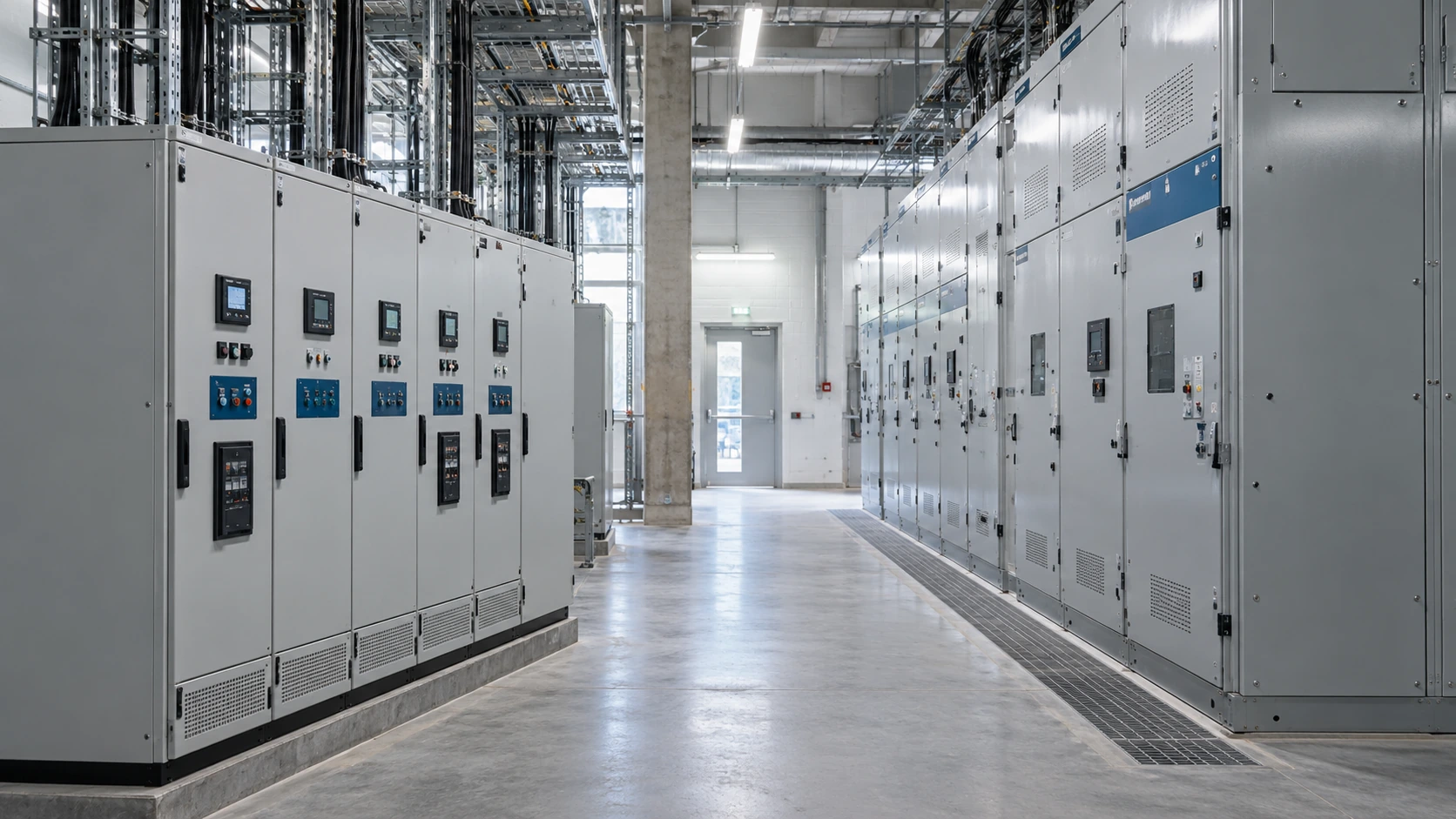
LV and MV switchgear serve different points in a distribution system and are not interchangeable. Start with the single-line diagram, the voltage at each circuit and the required fault duty. Then specify protection, interfaces and documents for each assembly. A project can need both families on opposite sides of its transformer.
An inquiry for ‘a switchgear panel’ leaves too much open for a comparable offer. The useful question is which circuit the assembly controls, under which electrical conditions, and what evidence the project reviewer needs. This guide turns that question into a specification you can send to suppliers.
It is written for EPC buyers and panel builders comparing industrial or commercial distribution equipment. The comparison concerns assembly selection and procurement; it is not a switching or installation procedure.
1. Locate the assembly in the system first
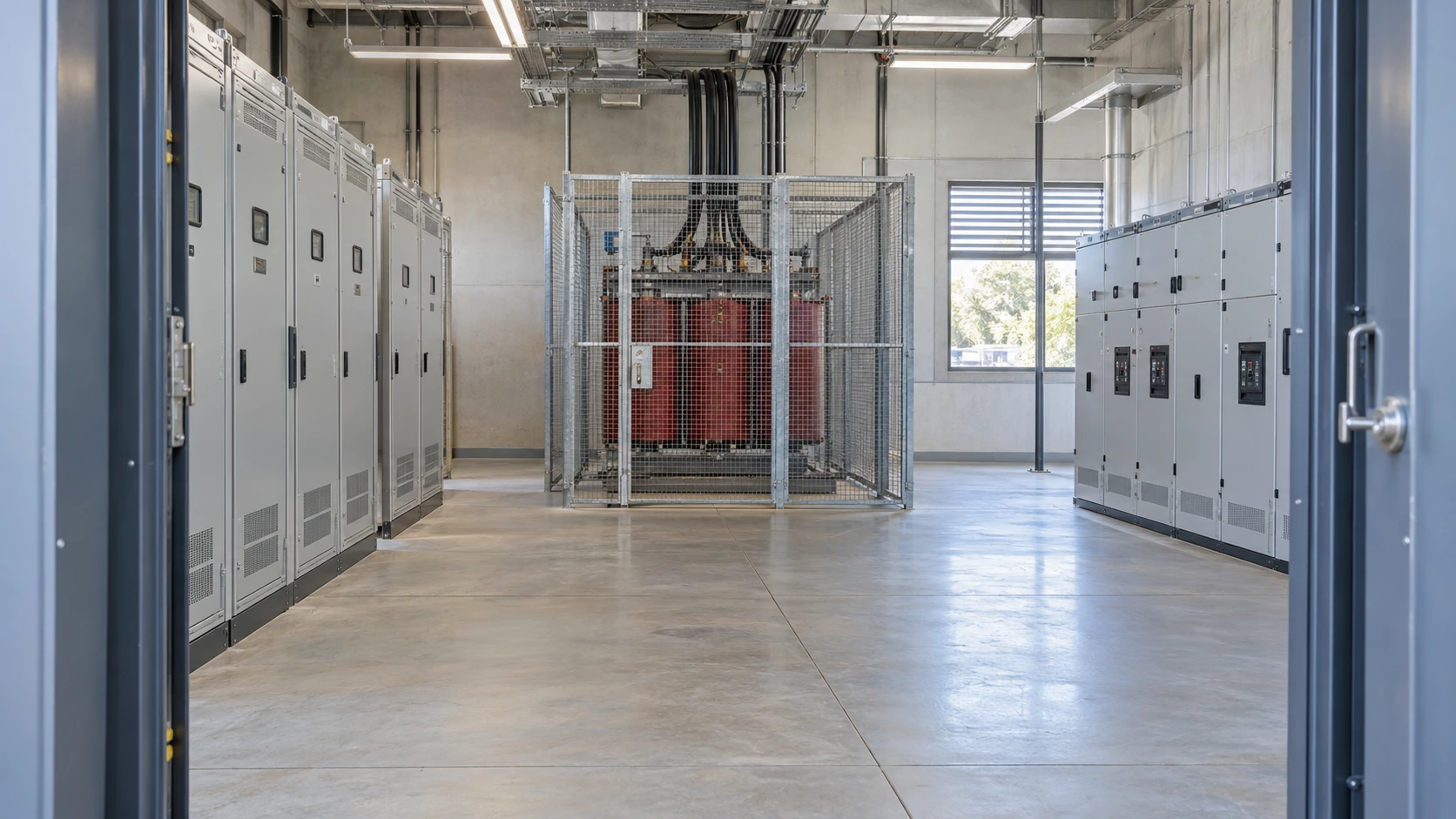
A facility may receive medium-voltage power, transform it, then distribute low-voltage power to motors, building services and other loads. An upstream MV lineup and a downstream LV assembly therefore solve different tasks. Neither replaces the transformer between their voltage levels.
Voltage terminology depends on the specification and market. IEC 62271-1 covers AC switchgear above 1,000 V, even though its title uses ‘high-voltage’. IEC 62271-200 covers metal-enclosed AC assemblies above 1 kV through 52 kV. State the actual system and equipment ratings rather than relying on the words low, medium or high alone.
MV side
- 1Incoming distribution supply
- 2MV switching and protection
- 3Transformer primary interface
LV side
- 1Transformer secondary interface
- 2LV distribution and protection
- 3Feeders to connected loads
Check the standard scope · Check the metal-enclosed assembly scope
2. Compare the procurement decisions
Use the same project assumptions in each offer. The table below identifies what changes between the two assembly families and which input the buyer must supply. It deliberately avoids universal current, fault-level or price claims.
| Decision | LV assembly | MV assembly | RFQ input |
|---|---|---|---|
| System position | Often downstream of a distribution transformer | Often controls an incoming supply or MV feeder | Marked single-line diagram |
| Voltage basis | Specify the actual LV system | Specify nominal system and equipment voltage class | Voltage, frequency and earthing |
| Protection | Define each feeder and protection device | Define switching, relay and protection functions | Protection schedule and coordination basis |
| Fault duty | Check breaking and withstand duties separately | Check breaking, short-time and peak duties | Calculated fault level and duration |
| Maintenance | Define isolation and access needs | Define compartments and continuity requirements | Permitted outages and service access |
| Interfaces | Cable entries, bus connections and outgoing feeders | Cable terminations, interlocks and control interfaces | Layouts and termination schedule |
| Evidence | Relevant assembly verification documents | Relevant assembly tests and classifications | Exact standard edition and report scope |
3. Keep four electrical quantities separate
Nominal system voltage describes the network. Equipment rated voltage describes the selected assembly. Continuous current concerns normal load duty. Short-circuit ratings concern abnormal duty and its duration. A larger current number cannot compensate for an unsuitable voltage class or insufficient fault-duty verification.
For example, a project with an 11 kV incoming supply and 400 V utilization loads needs separate MV and LV specification lines. The network designer must confirm the appropriate equipment class and insulation requirements. Do not convert ‘11 kV supply’ into a complete cabinet specification by choosing a similarly named model.
Ask for the fault level at the assembly location and the required clearing time. Also identify whether a value is breaking current, short-time withstand current or peak withstand current. Comparing numbers without their duty and duration can hide a material mismatch.
4. Use model pages to narrow the inquiry
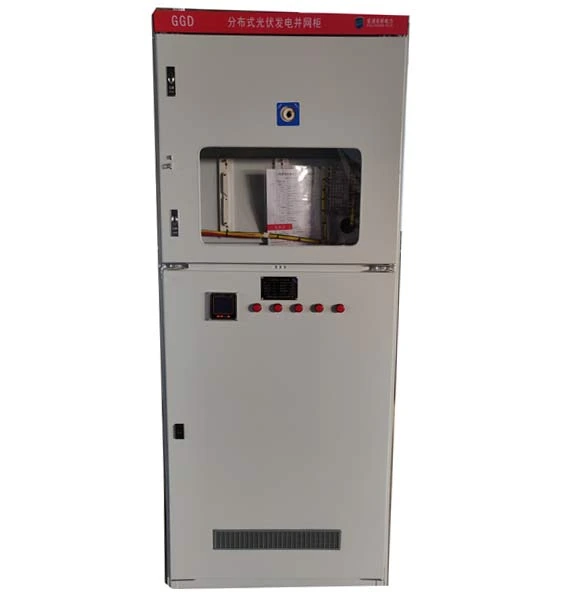
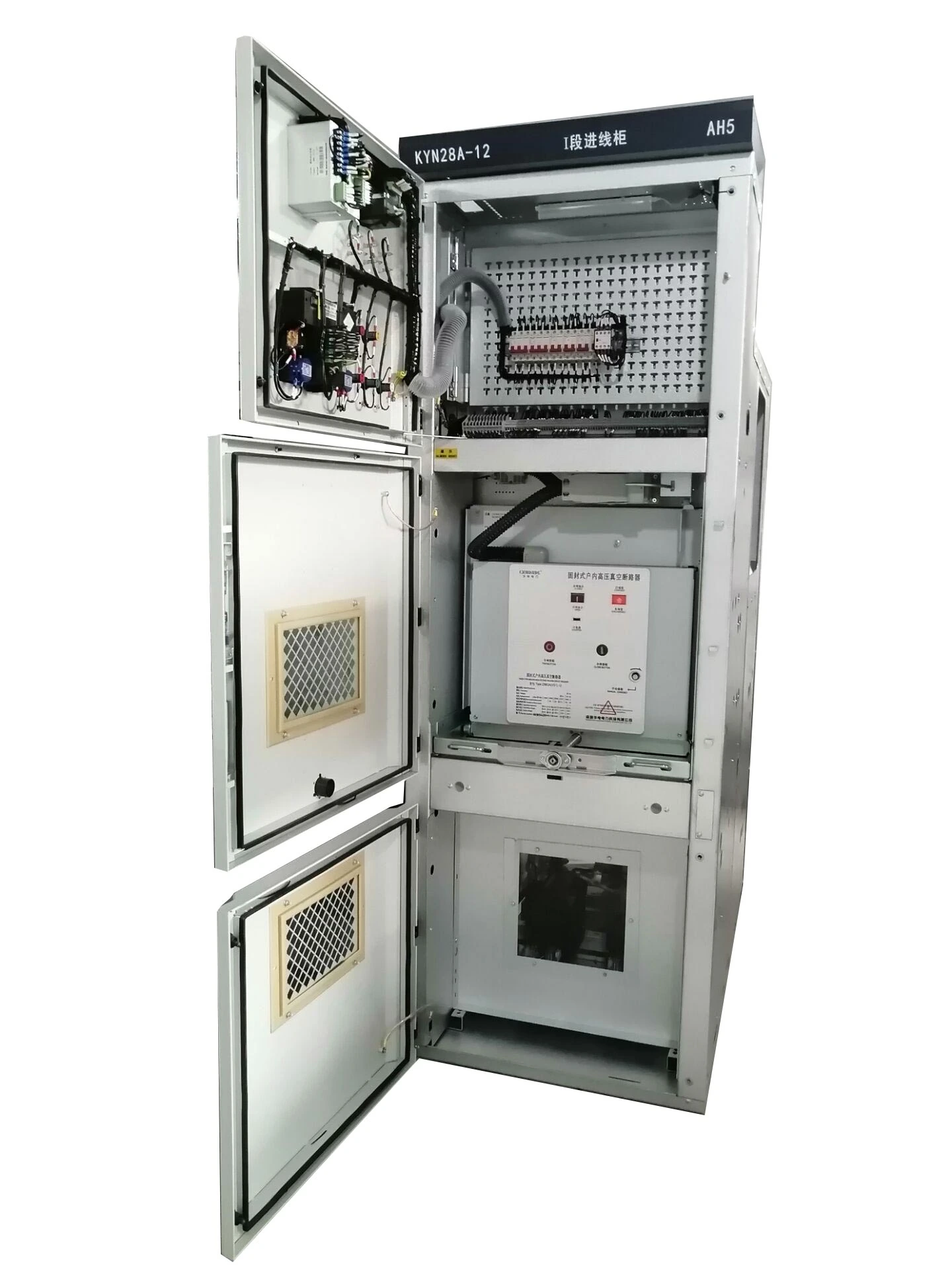
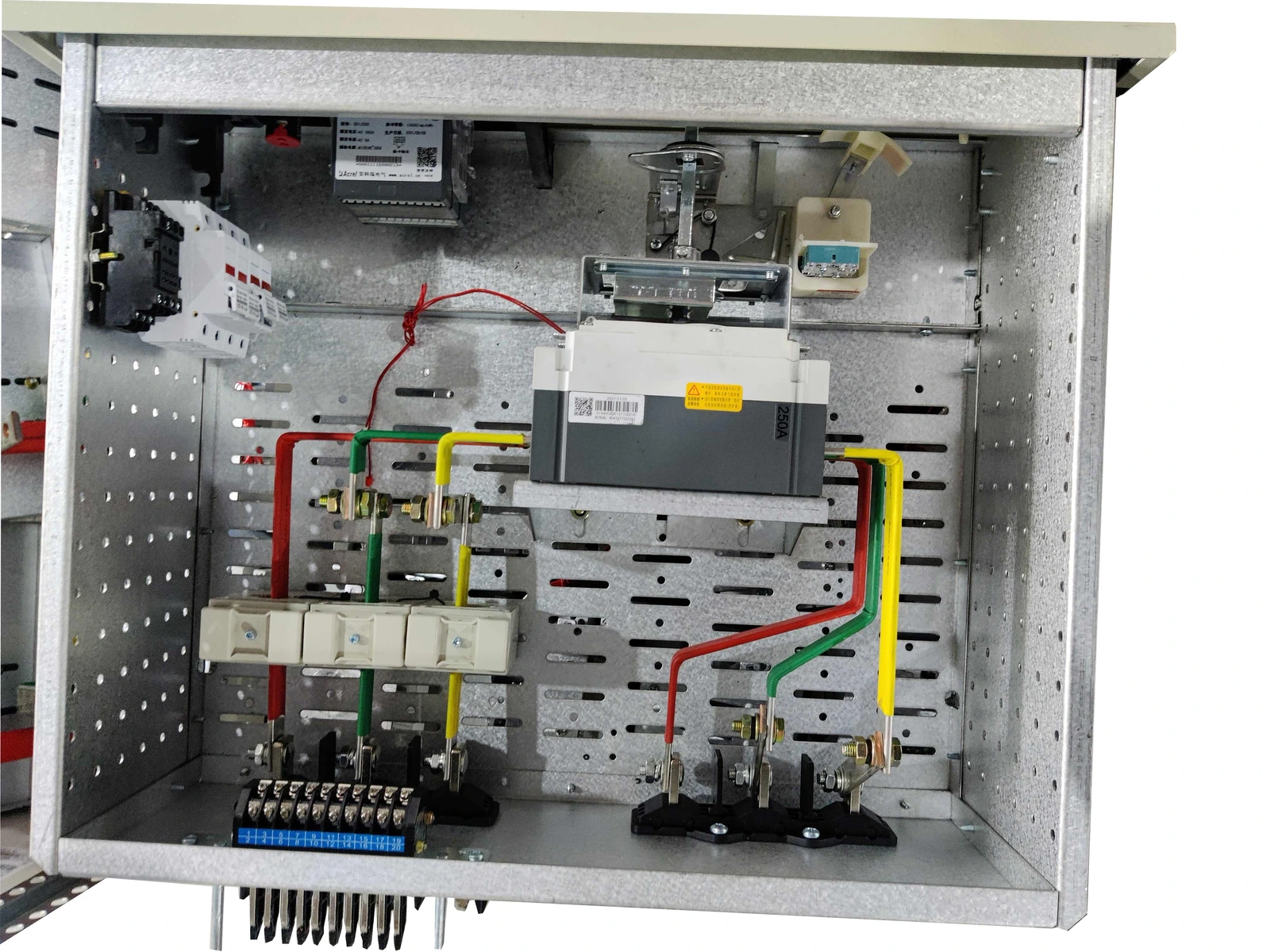
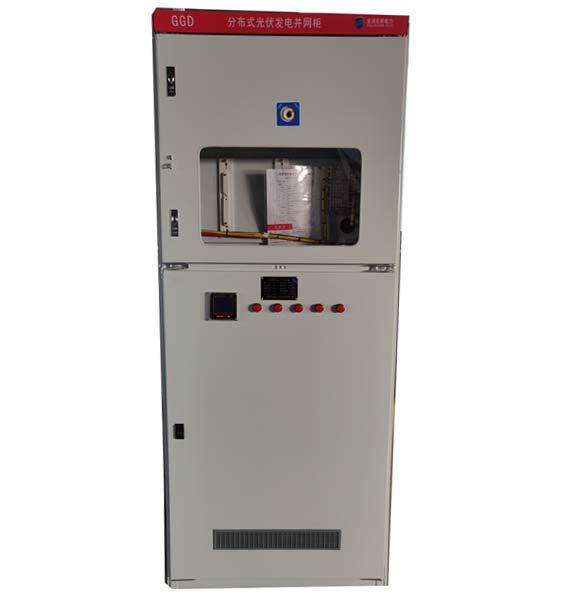
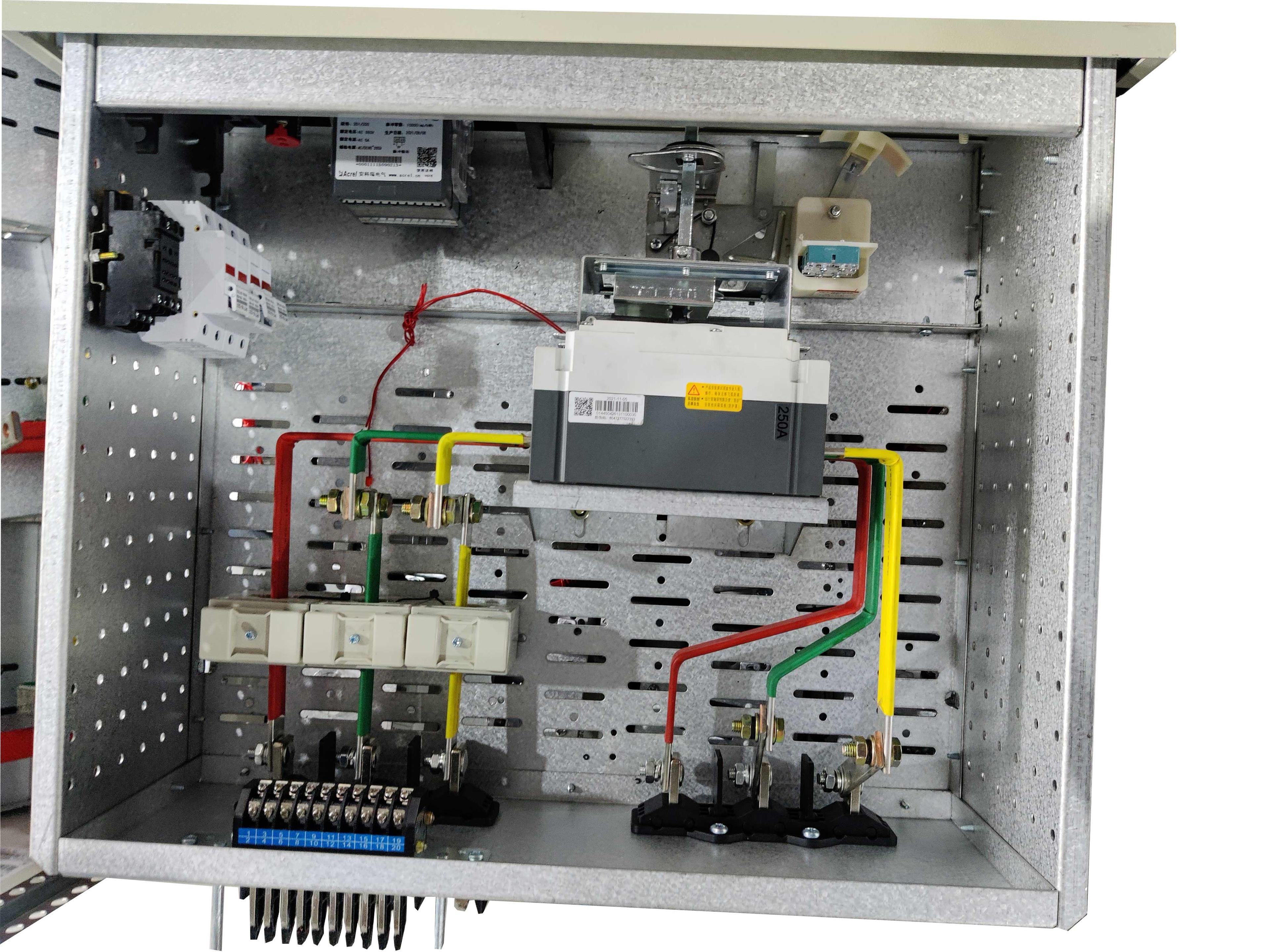
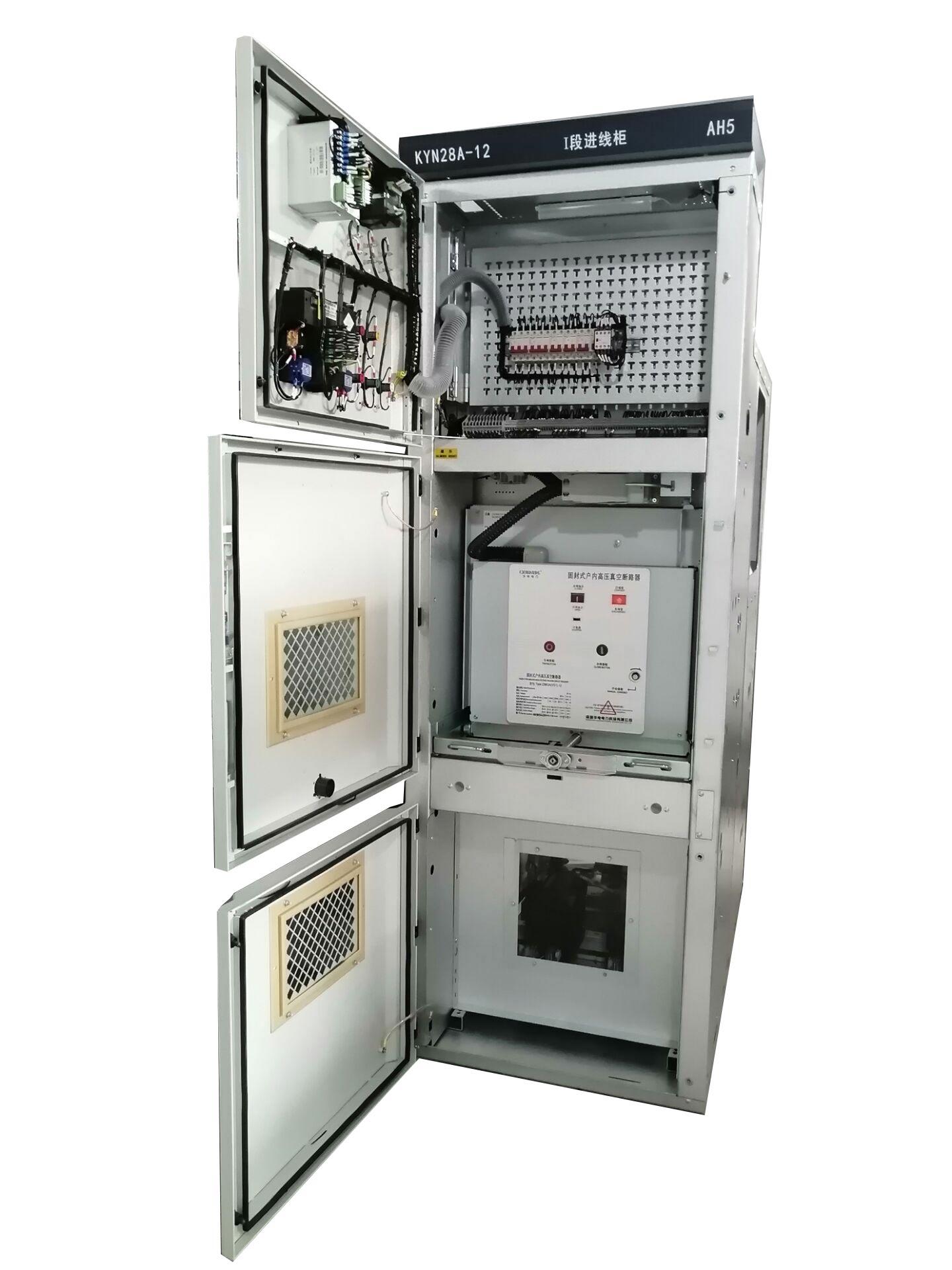
ELCZEEN lists GGD and MNS under low-voltage switchgear and KYN28A-12 under medium-voltage switchgear. These are useful starting points for product photos and available specifications. The KYN28A-12 table identifies a 12 kV rated-voltage entry; that single entry does not settle protection, cable, layout or project-approval requirements.
Request the proposed configuration, not a generic family promise. For an LV assembly, identify the incomer, bus sections and outgoing feeder schedule. For an MV assembly, identify feeder functions, relay requirements, cable terminations and the intended compartment access. Ask which drawings and test records correspond to that offer.
5. Make the document package part of the scope
A standard reference on a brochure is not the complete approval package. IEC 61439-1 sets general LV assembly requirements and is used with the relevant assembly part; it is not a standalone shortcut to every project’s acceptance. For an MV metal-enclosed assembly, agree the applicable edition and requested classifications with the project reviewer.
An older standard designation on a datasheet does not by itself establish conformity with a newer project requirement. Request documents identifying the model, tested arrangement, rated values and limits of applicability. Distinguish design or type-test evidence from the routine records supplied for the purchased assembly.
- An approved single-line diagram and functional description
- A rating schedule with units and fault-duty durations
- General arrangement and cable-entry drawings
- Protection, control, metering and communication schedules
- Applicable standard editions and model-specific test evidence
- A clear list of exclusions, options and documents due before delivery

6. Turn the comparison into an RFQ
Begin with system functions, then separate LV and MV equipment lines. Attach the available drawings and mark unknown values for confirmation. Compare offers only after each supplier has answered the same rating, interface and document questions.
A useful RFQ sentence is: ‘Please offer the LV and MV assemblies identified on the attached SLD, with separate rating schedules, feeder functions, general arrangements and test-document lists. State deviations and configuration assumptions explicitly.’ Add quantity, destination, required timing and the project’s approval process.
- 01Mark functions on the SLD
- 02Define ratings and interfaces
- 03Request drawings and evidence
- 04Compare scope and deviations
7. Include lifecycle constraints in a 2026 comparison
ABB’s 31 August 2026 discussion of SF6-free switchgear highlights practical adoption issues such as familiar operation, installation and maintenance. For a buyer, the useful implication is to compare lifecycle constraints alongside the initial electrical schedule.
Ask how the proposed assembly fits the room, maintenance strategy, spare-parts plan and destination requirements. Do not assume that a new insulation technology, a familiar cabinet name or a competitor’s certification automatically establishes the suitability of the configuration being offered.
Frequently asked questions
Can low-voltage switchgear replace medium-voltage switchgear?+
No. Select the assembly for its actual system voltage and duty. A transformer may connect the two voltage levels, but it does not make their switchgear interchangeable.
Does a 12 kV model name define the complete specification?+
No. Confirm rated voltage, insulation, current, fault duty, protection, interfaces and documents for the proposed configuration. A model name is only a starting point.
Should I ask for IEC or ANSI equipment?+
Use the project and destination requirements. State the applicable standard and edition explicitly; similar terminology does not demonstrate equivalence between different standard systems.
What if the fault level is not available yet?+
Mark it as an unresolved design input and request confirmation from the project electrical designer. Do not fill the gap with an assumed catalog maximum.
Can one project require both LV and MV switchgear?+
Yes. An MV incoming distribution circuit and an LV transformer-secondary distribution system can require separate assemblies. Show their boundaries and interfaces on the SLD.
Sources and further reading
Source scope and publication dates matter. Check the specified edition and the requirements applicable to your project.
- IEC 62271-1: common specifications for AC switchgear
- IEC 62271-200:2021+AMD1:2024: metal-enclosed AC assemblies
- Eaton: low-voltage switchgear fundamentals
- IEC 61439-1:2020: LV assembly general rules
- ABB: Is your SF6-free update really an upgrade?
Sources checked:
Related equipment
Compare the relevant product models
Turn the specification into a clear inquiry
Send your SLD and separate LV/MV rating schedules to discuss a configuration.