
Technical buyer guide
Pad-Mounted vs Prefabricated Substation: Define the Supply Boundary
Compare transformer-centered pad-mounted offers with integrated prefabricated substation packages. Map MV protection, LV distribution, enclosure, civil works and acceptance responsibilities before comparing prices.
TL;DR
The short answer
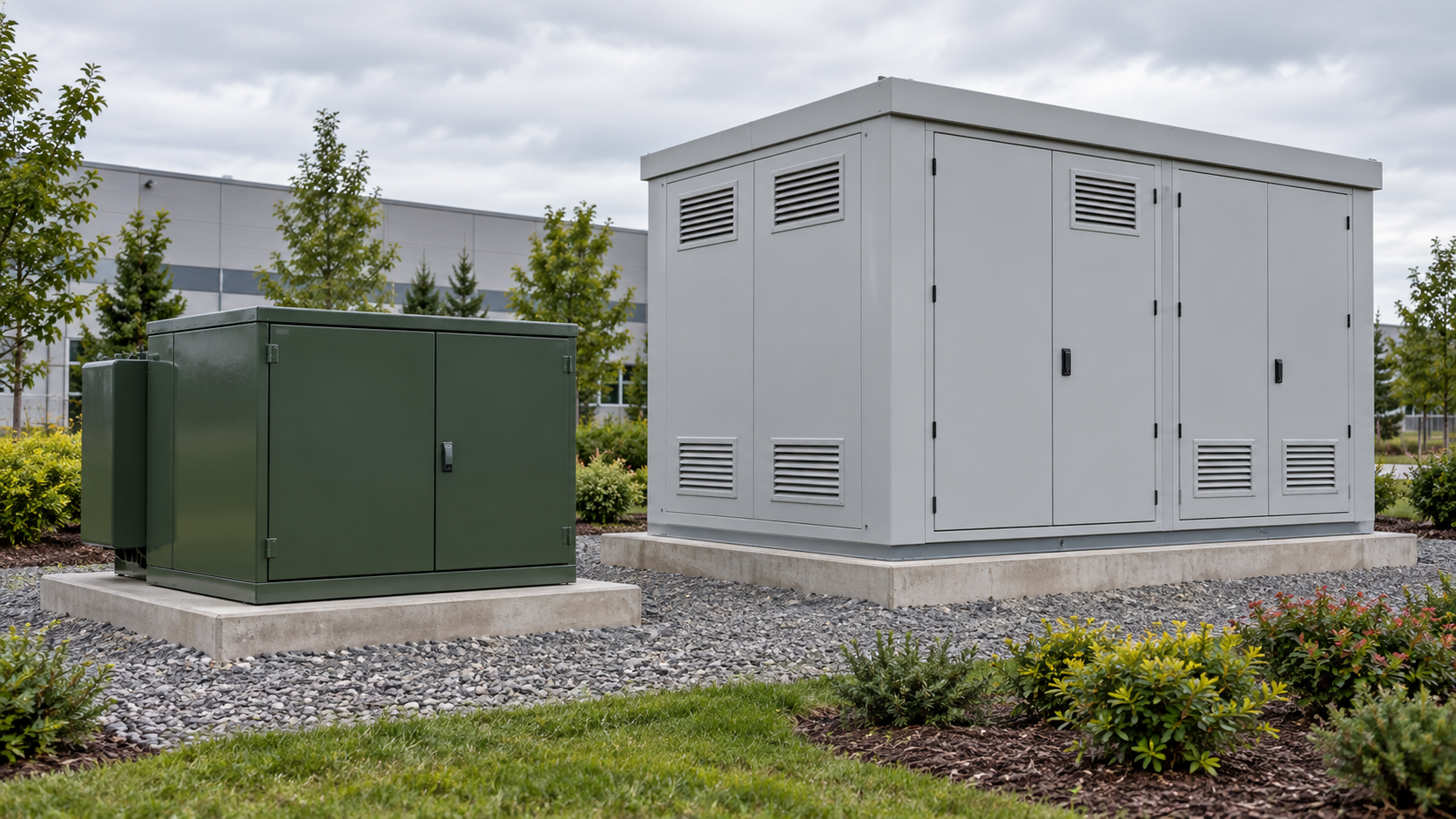
A pad-mounted transformer offer is often centered on the transformer and its compartments; a prefabricated substation offer may integrate MV switching, transformation and LV distribution within a coordinated enclosure. Names vary by market and supplier. Define included equipment, interconnections, civil interfaces, protection and complete-package evidence on an SLD and responsibility schedule before comparing either price or footprint.
An EPC buyer can receive two quotations with the same transformer kVA and still be comparing different projects. The missing cost may sit in an MV ring unit, LV board, cable links, an oil-containment arrangement or site integration. This guide replaces an enclosure-name comparison with a supply-boundary comparison so the buyer can identify who must deliver each working interface.
1. Establish what each package actually contains
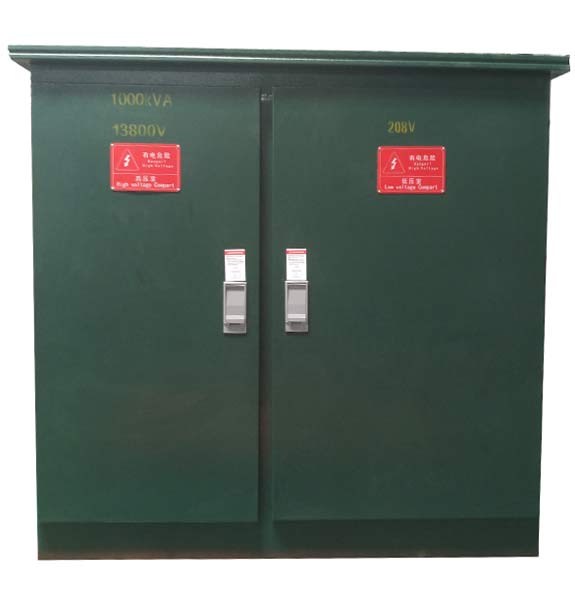
Separate the transformer, its primary switching or fusing options, external MV equipment, LV incomer and outgoing distribution, metering, auxiliaries and the enclosure. Eaton’s transformer material distinguishes arrangements such as live-front/dead-front and radial/loop feed. Those are configuration choices, not proof that a complete distribution substation is included. Ask the supplier to mark every offered item and every by-others item directly on the project SLD.
2. Put all interfaces in a responsibility matrix
Use a separate response for supply, engineering, installation and test responsibility. The same company need not own all four. An integrated physical package still needs a clear boundary to the utility, site earth grid, downstream cables and civil contractor. Ask which interconnections are factory-completed, which are shipped loose and which must be designed on site.
| Boundary | Confirm in each quotation | Acceptance evidence |
|---|---|---|
| MV incoming supply | Switching, protection, connectors and utility interface | SLD and approved termination drawing |
| Transformer | Rating basis, connection, accessories and loss data | Transformer data sheet and test records |
| LV distribution | Incomer, outgoing feeders, neutral and earth connections | Feeder schedule and assembly evidence |
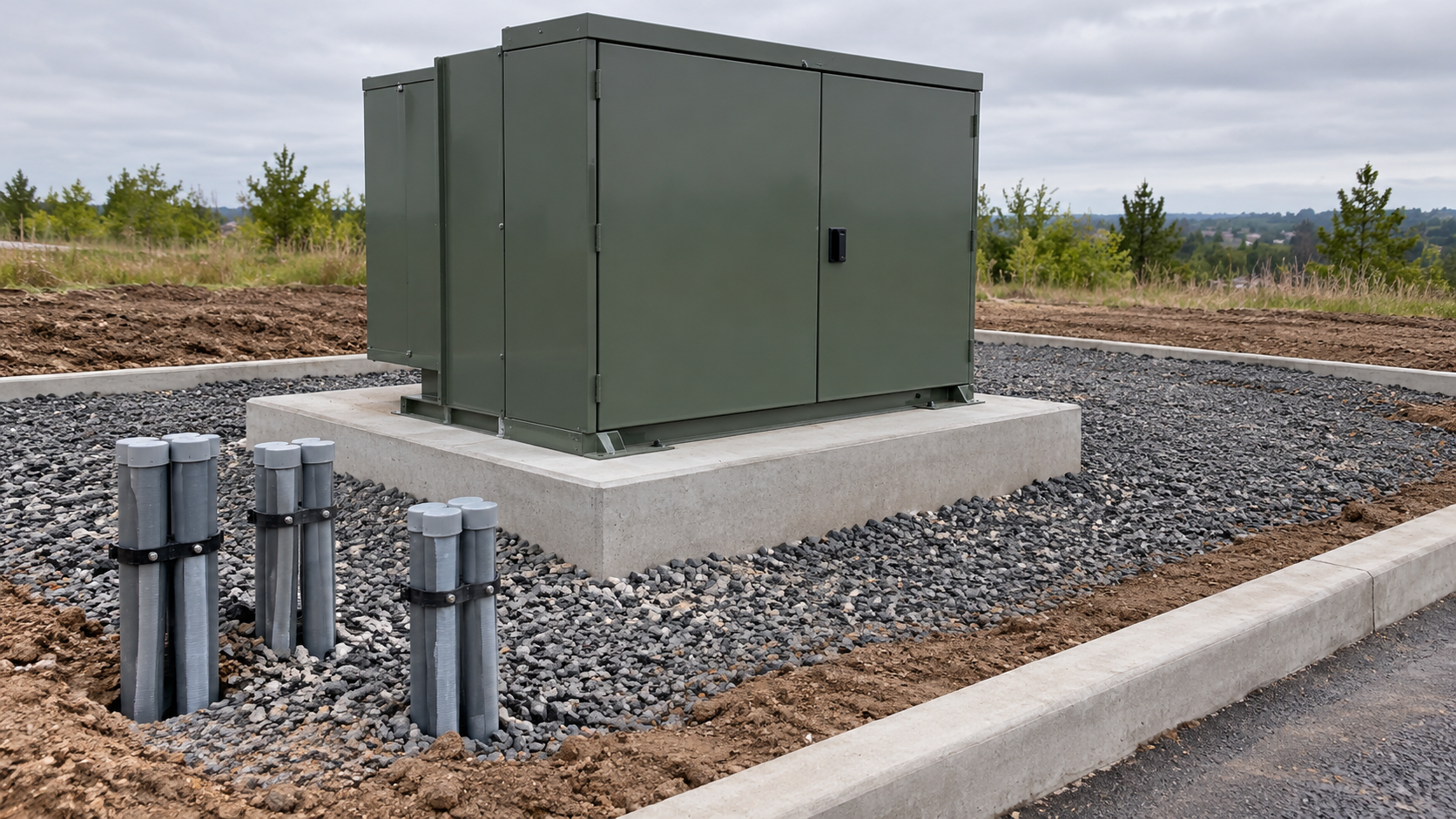
| Enclosure and site | Ventilation, access, foundation, drainage and containment | General arrangement and civil interface drawings |
| Integration and handover | Factory links, loose items, site tests and document owner | Interface register and agreed acceptance plan |
3. Check the complete-package evidence
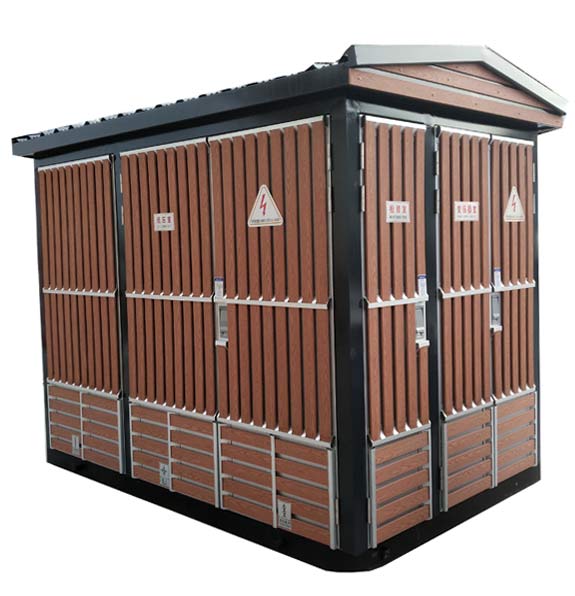
IEC 62271-202 covers enclosed AC prefabricated substations within its stated scope. A transformer report, MV device certificate and LV component data sheet do not automatically verify the combined enclosure and interconnections. Ask which exact arrangement is covered by the declared substation evidence and which options remain outside it. A semi-open skid package may follow a different design and standard scope; ABB’s integrated secondary solutions distinguish such architectures.
Transformer-centered offer
- 1Identify primary options
- 2Locate external MV and LV equipment
- 3Assign integration responsibility
Integrated substation offer
- 1List all packaged equipment
- 2Confirm enclosure thermal conditions
- 3Verify the combined arrangement
Enclosed prefabricated substation scope · Packaged architecture distinctions
4. Compare the installed envelope and the delivery boundary
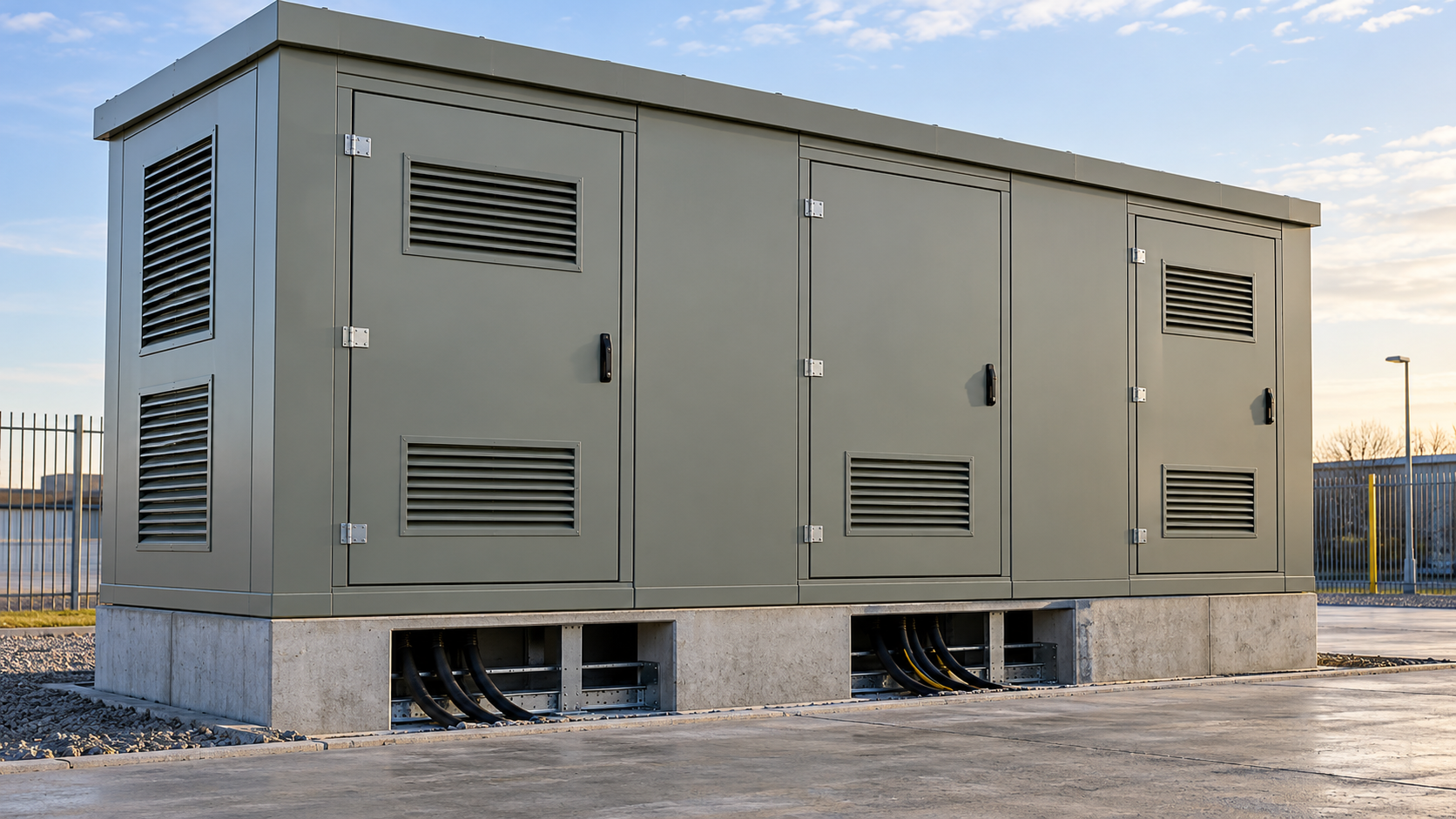
Installed footprint includes door swing, cable termination access, ventilation space, replacement routes and any required containment. It is not simply the outline dimension on a sales sheet. Identify whether foundations, ducts, lifting provisions, assembly after transport and site acceptance are included. Eaton’s September 2026 modular-enclosure investment is industry context for growing packaged infrastructure, not evidence that any particular package includes these civil or integration tasks.
Outdoor substation arrangement context · Recent packaged-infrastructure context
5. Close the gaps before technical approval
Reconcile the SLD, equipment list, general arrangement and responsibility register as one package. If a bidder excludes an item, assign a named project party and an interface document rather than leaving an empty cell. Ask for written deviations where local utility requirements or the intended access category change the proposed arrangement. This produces a defensible comparison without declaring one enclosure family universally cheaper, safer or more suitable.
- 01Mark the network boundary
- 02List included equipment
- 03Assign civil and cable interfaces
- 04Check package evidence
- 05Approve a reconciled offer
Frequently asked questions
Does pad-mounted always mean transformer only?+
No. Market terms and supplier packages vary. Some arrangements include primary switching or protection options. Confirm the itemized scope and SLD instead of inferring content from the name.
Does a larger enclosure prove a more complete package?+
No. Enclosure dimensions cannot establish included protection, LV distribution, testing or civil works. Compare the equipment and responsibility schedules.
Can separate component reports verify the combined substation?+
Not automatically. Ask how the complete enclosure, interconnections and proposed operating conditions are covered by the applicable package evidence. Identify any unverified variation.
What is the first drawing to exchange?+
Start with the SLD and a site layout. Mark the utility boundary, transformer, MV and LV equipment and by-others interfaces, then request a matching general arrangement.
Sources and further reading
Source scope and publication dates matter. Check the specified edition and the requirements applicable to your project.
- IEC 62271-202: prefabricated substation scope
- Eaton: transformer arrangement fundamentals
- Schneider Electric: outdoor substations
- ABB: integrated secondary solution architectures
- Eaton: modular electrical enclosure manufacturing announcement
Sources checked:
Related equipment
Compare the relevant product models
Turn the specification into a clear inquiry
Send the SLD and a marked supply-boundary list to discuss pad-mounted and YBM catalog options without leaving integration responsibilities unstated.