
Technical buyer guide
RMU vs Metal-Clad Switchgear: Specify the Right Distribution Duty
Compare ring main units and metal-clad switchgear by feeder function, protection, maintenance, interfaces and 2026 project requirements. Includes an RFQ matrix.
TL;DR
The short answer
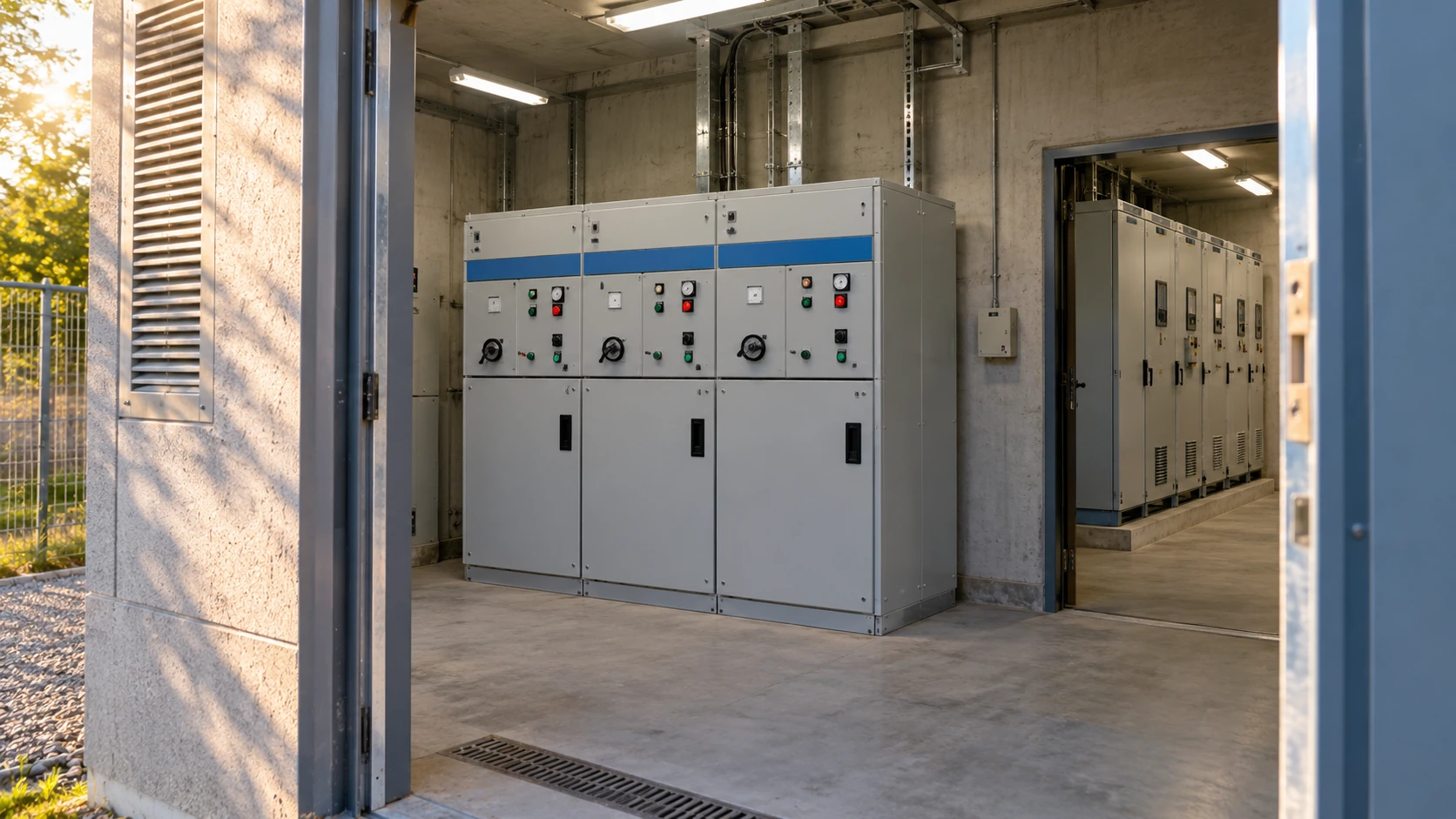
An RMU is associated with compact secondary-distribution switching, while metal-clad describes a construction approach often used for individually protected feeders. Neither label fixes every protection or insulation option. Compare the exact functions, ratings, access requirements and tested configuration before deciding which arrangement fits the project.
A small footprint is useful only if the assembly can perform the required network duty. A larger withdrawable lineup is useful only if its access, protection and maintenance arrangements serve the project. Start with the functions and outage strategy rather than the shape of the cabinet.
This guide helps EPC specifiers and industrial asset owners prepare a comparable inquiry. It does not prescribe a live switching sequence or approve a particular insulation technology for a destination market.
1. Separate network function from construction
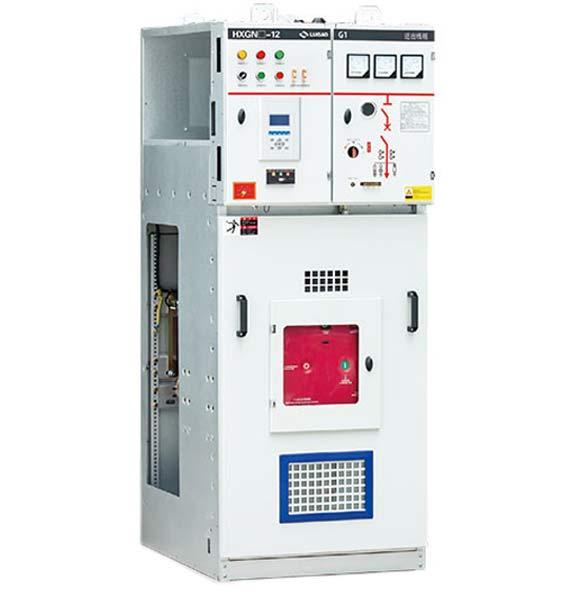
Ring main unit describes an arrangement commonly associated with ring feeders and transformer connections in secondary distribution. Metal-clad refers to an assembly construction concept; the applicable standard and tested design determine its actual compartment and access characteristics. The names therefore compare different aspects of equipment.
Do not reduce the choice to ‘RMU means switches, metal-clad means breakers’. Compact RMU platforms can include circuit-breaker functions. ABB’s secondary-distribution portfolio also includes both air-insulated and gas-insulated approaches. The requested feeder functions and the offered design matter more than a blanket label.
Compact RMU arrangement
- 1Secondary distribution functions
- 2Compact functional-unit layout
- 3Confirm feeder protection options
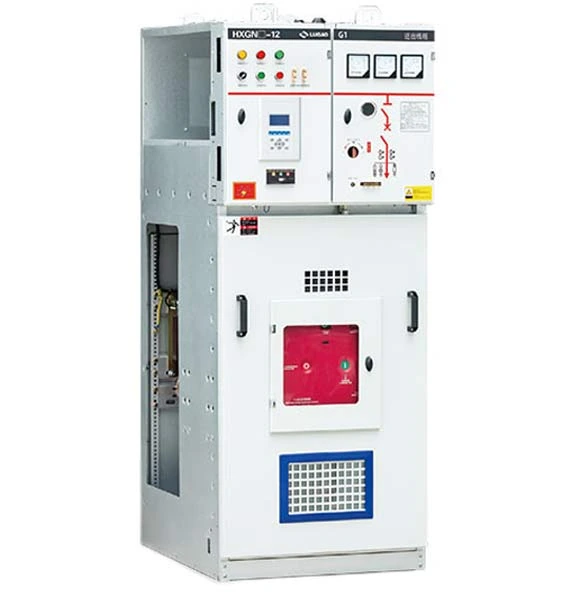
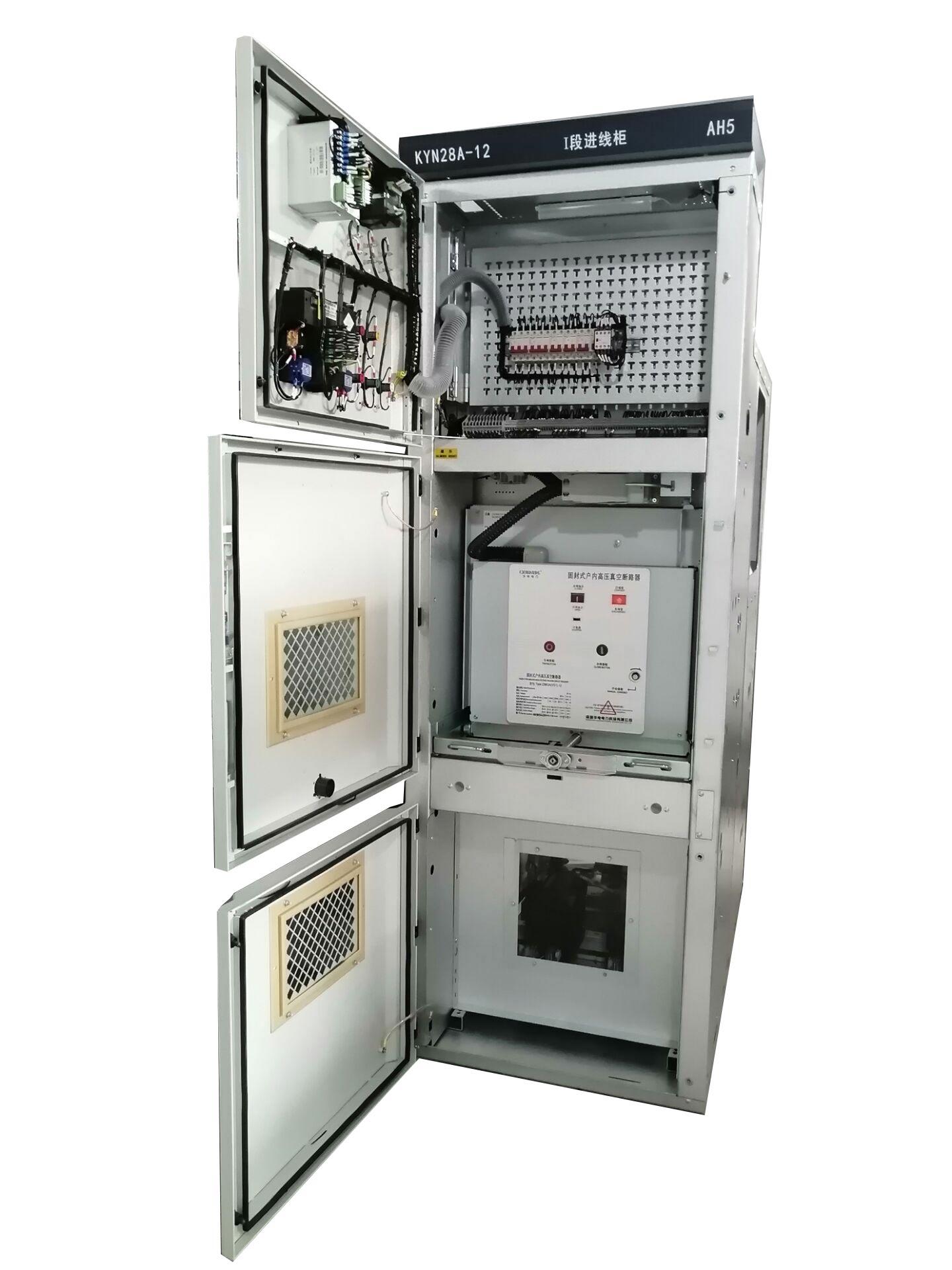
Metal-clad feeder lineup
- 1Individually specified feeders
- 2Compartment and access requirements
- 3Confirm continuity classifications
2. Compare seven project requirements
Put both options against the same requirements and require written deviations. A generic quotation heading such as ‘12 kV panel’ is not enough to compare switching functions, future expansion or maintenance access.
| Requirement | Ask for an RMU offer | Ask for a metal-clad offer |
|---|---|---|
| Network function | Identify ring ways, transformer ways and spare functions | Identify incomers, bus sections and each outgoing feeder |
| Protection | State switch-fuse or breaker/relay functions explicitly | State breaker, relay, CT/VT and trip-supply requirements |
| Ratings | Provide voltage, current and each fault duty | Provide voltage, current and each fault duty |
| Maintenance | Confirm permitted access and isolation boundaries | Confirm access conditions and offered service-continuity category |
| Space | Include terminations, access and expansion space | Include breaker handling, aisles and cable access |
| Expansion | Confirm whether and how the offered design extends | Confirm bus extension and spare-panel arrangements |
| Evidence | Match report scope to the functional-unit combination | Match classifications and reports to the assembled lineup |
3. Write the protection concept before choosing the cabinet
List what each circuit must switch and what must clear a fault. An earth switch, a load-break function and a fault-interrupting device have different duties. The presence of one does not establish the rating or capability of the others.
For a transformer connection, ask which protection scheme is proposed and which ratings and operating conditions it covers. For a relay-protected feeder, include the protection functions, instrument-transformer requirements, trip supply and communication interfaces. The designer must coordinate the complete scheme with the rest of the network.
4. Specify maintenance access and continuity separately
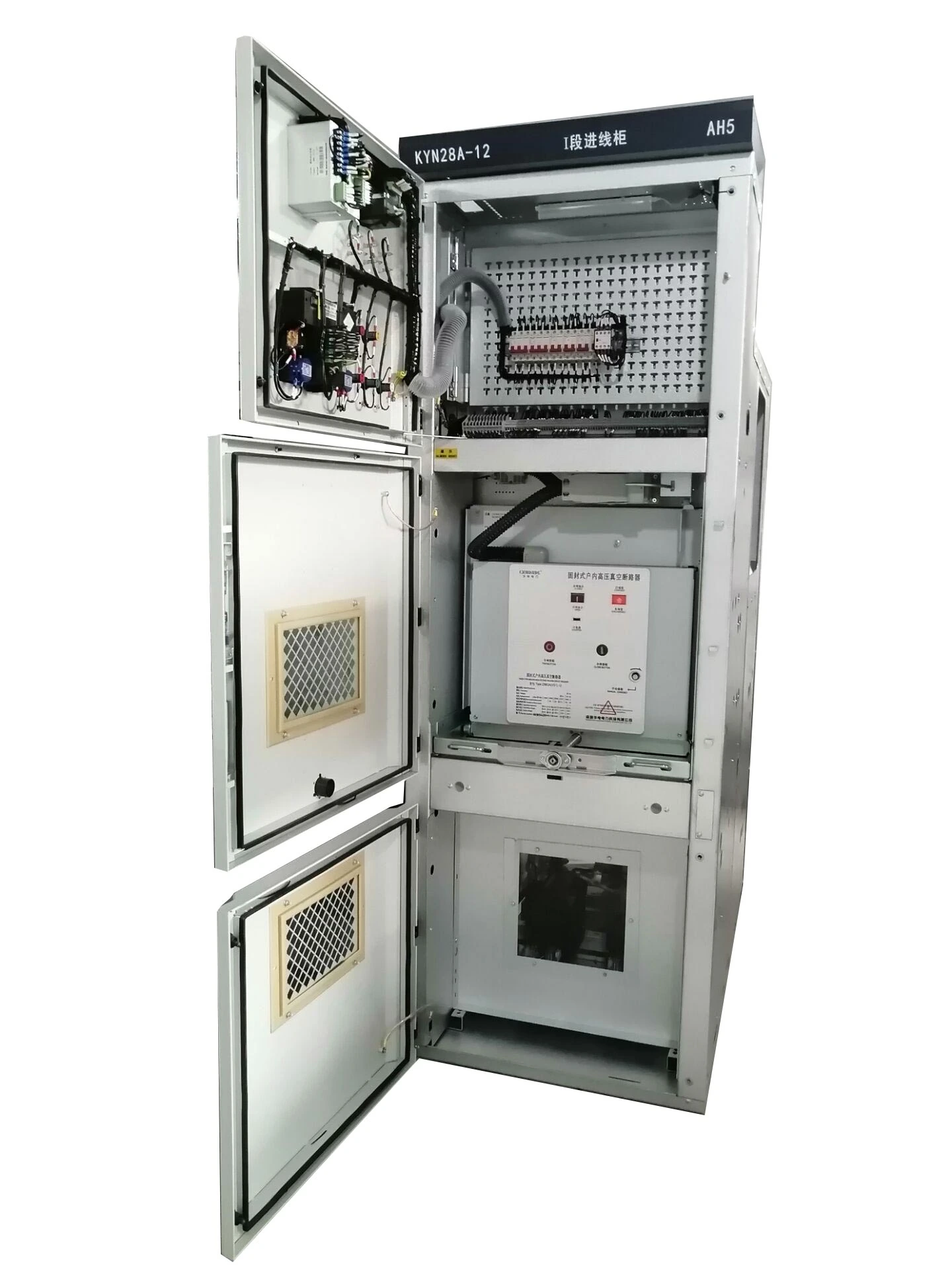
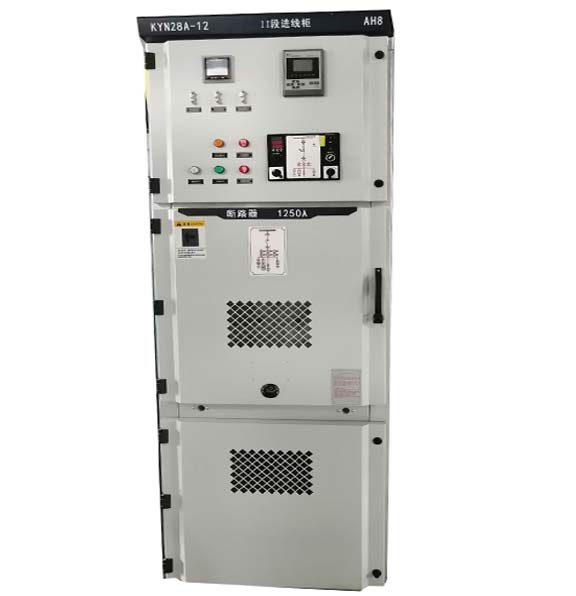
A withdrawable device does not automatically make every compartment safe to access or every maintenance task outage-free. Ask which parts remain in service during the specific activity, what isolation boundaries apply, and which classification and instructions support that arrangement.
IEC 62271-200 addresses metal-enclosed assemblies and includes service-continuity and internal-arc concepts. Treat loss-of-service-continuity category, internal-arc classification, enclosure protection and actual access conditions as separate specification fields. Do not infer one from another.
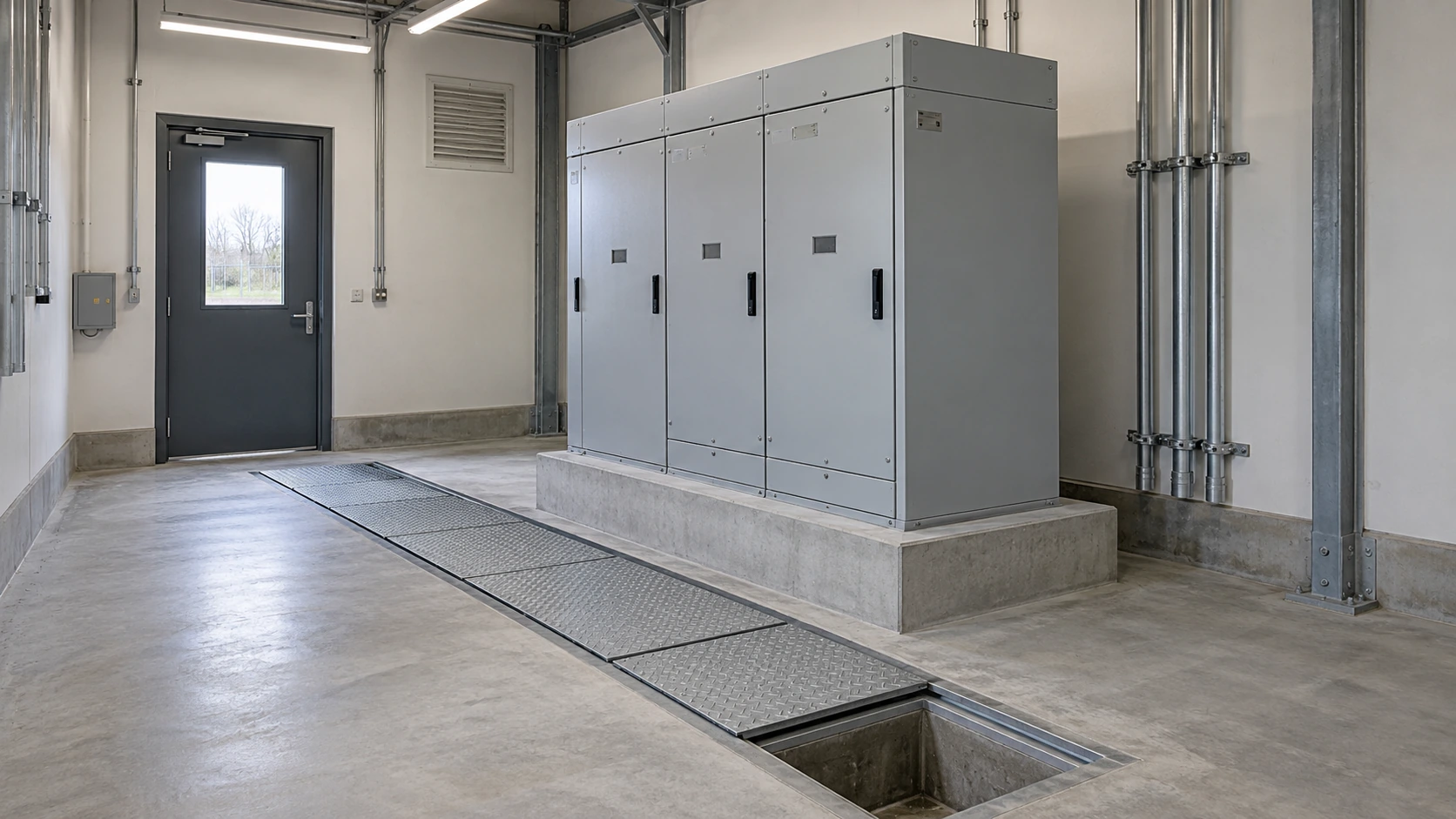
Give the supplier the room layout, cable route and permitted maintenance access. Include space for terminations, installation handling and any exhaust or pressure-relief arrangement required by the offered design. A cabinet-width comparison alone does not represent installed footprint.
5. Keep insulation medium separate from switching medium
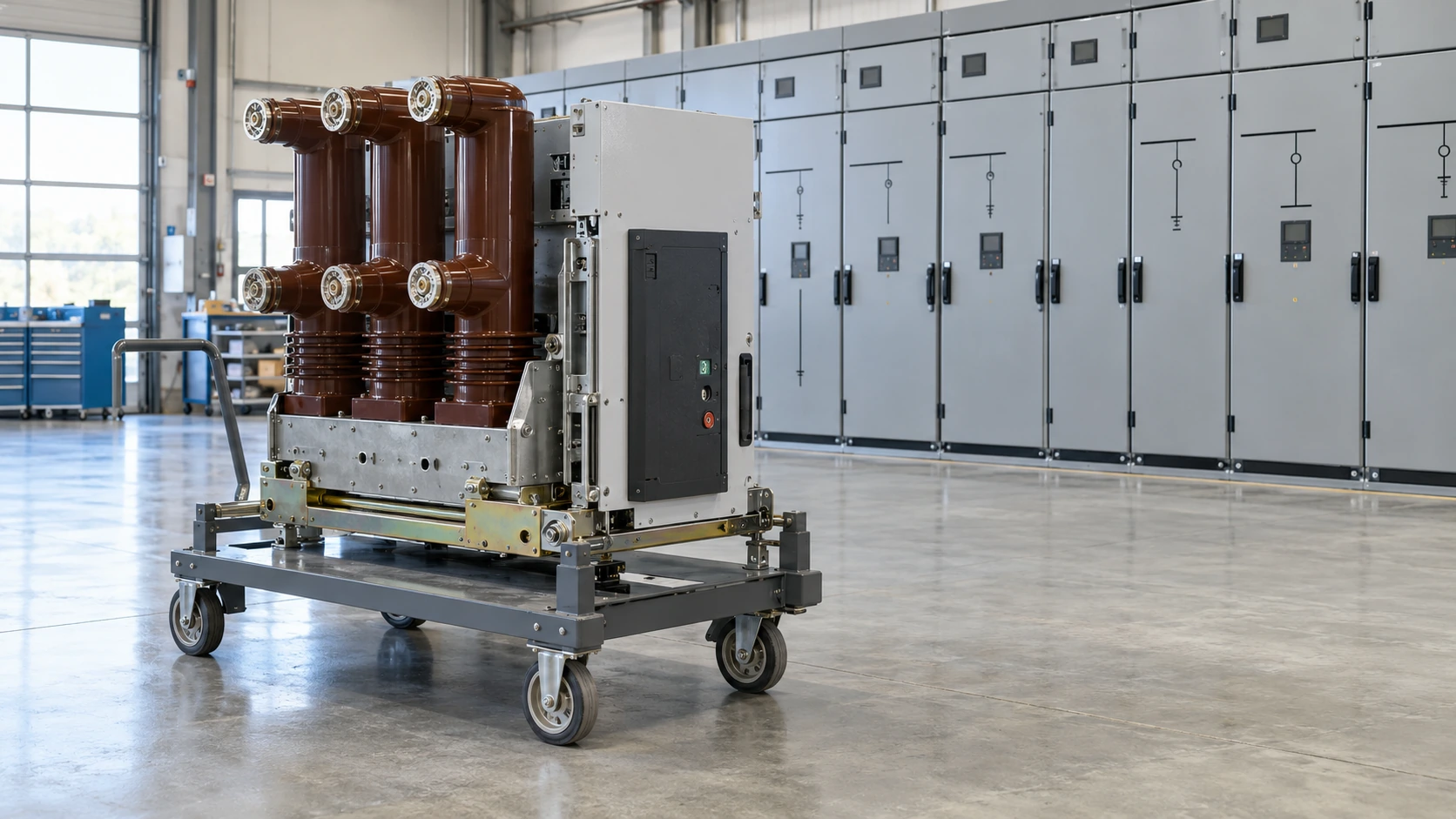
A vacuum interrupter describes where interruption occurs. It does not, by itself, prove that every part of the assembly is free of SF6 or other fluorinated gases. Ask separately about the insulating medium, the interrupting medium and the full functional-unit arrangement.
Likewise, air insulation does not by itself establish an internal-arc classification, a particular footprint or a maintenance interval. Request the tested configuration and operating documentation. Evaluate the proposed arrangement on its evidence, not on a broad claim that one insulation category is always superior.
6. Check destination requirements before ordering
For EU projects, Article 13(9)(a) of Regulation (EU) 2024/573 prohibits, from 1 January 2026, putting into operation MV primary- and secondary-distribution switchgear up to and including 24 kV that uses, or relies on, fluorinated greenhouse gases in insulating or breaking media. The article also specifies conditions and exceptions; the responsible project reviewer must check whether they apply.
This is not a worldwide ban on every existing SF6 installation, and the relevant date is not simply the article’s publication date. Ask the operator and responsible project reviewer to confirm the destination requirements, timing and any applicable exception with supporting records. Do not assume that an offered ELCZEEN catalog model is SF6-free; obtain the configuration-specific declaration.
ABB’s 31 August 2026 industry article also emphasizes operating familiarity and maintenance when changing technologies. Translate that context into concrete tender questions: which interfaces change, what training is needed, and which spare parts and documents accompany the proposed design?
Regulatory scope and exceptions · Dated industry development, 31 August 2026
7. Send a function-based RFQ
Attach an SLD showing the ring, radial or sectionalized arrangement and identify each required function. Include voltage, current, fault duties, protection, cable interfaces, destination and installation conditions. State the maintenance tasks and outages that the owner needs to accommodate.
For a useful commercial comparison, require a completed deviation list and a document schedule with each offer. Separate included functions, optional functions and exclusions. Ask for a general arrangement, protection schematic and model-specific report list before treating two prices as equivalent.
- Ring ways, transformer feeders, bus sections and future spare functions
- System and assembly ratings with duty and duration
- Protection, CT/VT, interlocking and control requirements
- Cable type, termination arrangement and entry direction
- Room layout, installation environment and maintenance constraints
- Insulating and interrupting media, evidence and destination documents
- 01Define feeder functions
- 02Confirm protection and access
- 03Check medium and destination rules
- 04Compare drawings and deviations
Frequently asked questions
Does every RMU use SF6 insulation?+
No. Secondary-distribution portfolios include different insulation approaches. Identify the actual offered insulation and interrupting media; do not use the RMU label as a gas declaration.
Can an RMU contain a circuit breaker?+
Yes. Some compact secondary-distribution platforms include breaker functions. Specify the feeder protection duty and verify the exact functional-unit configuration.
Is withdrawable switchgear automatically outage-free to maintain?+
No. Access, isolation boundaries and service-continuity classifications depend on the tested design and the intended task. Follow the approved equipment documentation and the operator’s procedures.
Does a vacuum breaker prove the whole assembly is SF6-free?+
No. A vacuum interrupter identifies the interruption medium. The surrounding assembly can use a different insulation medium, which must be declared separately.
Does ELCZEEN confirm EU suitability from a product photograph?+
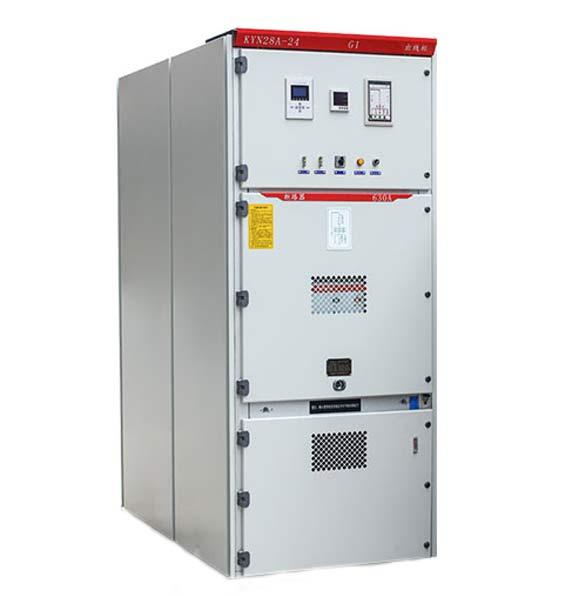
No. Request the actual configuration, gas declaration, applicable reports and destination review. A photograph or a generic model name cannot establish regulatory suitability.
Sources and further reading
Source scope and publication dates matter. Check the specified edition and the requirements applicable to your project.
- ABB: secondary-distribution switchgear portfolio
- IEC 62271-200:2021+AMD1:2024: assembly scope
- Regulation (EU) 2024/573: Article 13 and applicable exceptions
- ABB: Is your SF6-free update really an upgrade?
Sources checked:
Related equipment
Compare the relevant product models
Turn the specification into a clear inquiry
Send the SLD, feeder functions and destination requirements for a configuration-specific discussion.