
Technical buyer guide
Earthing Switch Selection: Ratings, Interlocks and Compatibility
Separate short-circuit making capability from short-time withstand duty, then verify the grounding path, geometry, position indication and interlock matrix of the complete switchgear.
TL;DR
The short answer
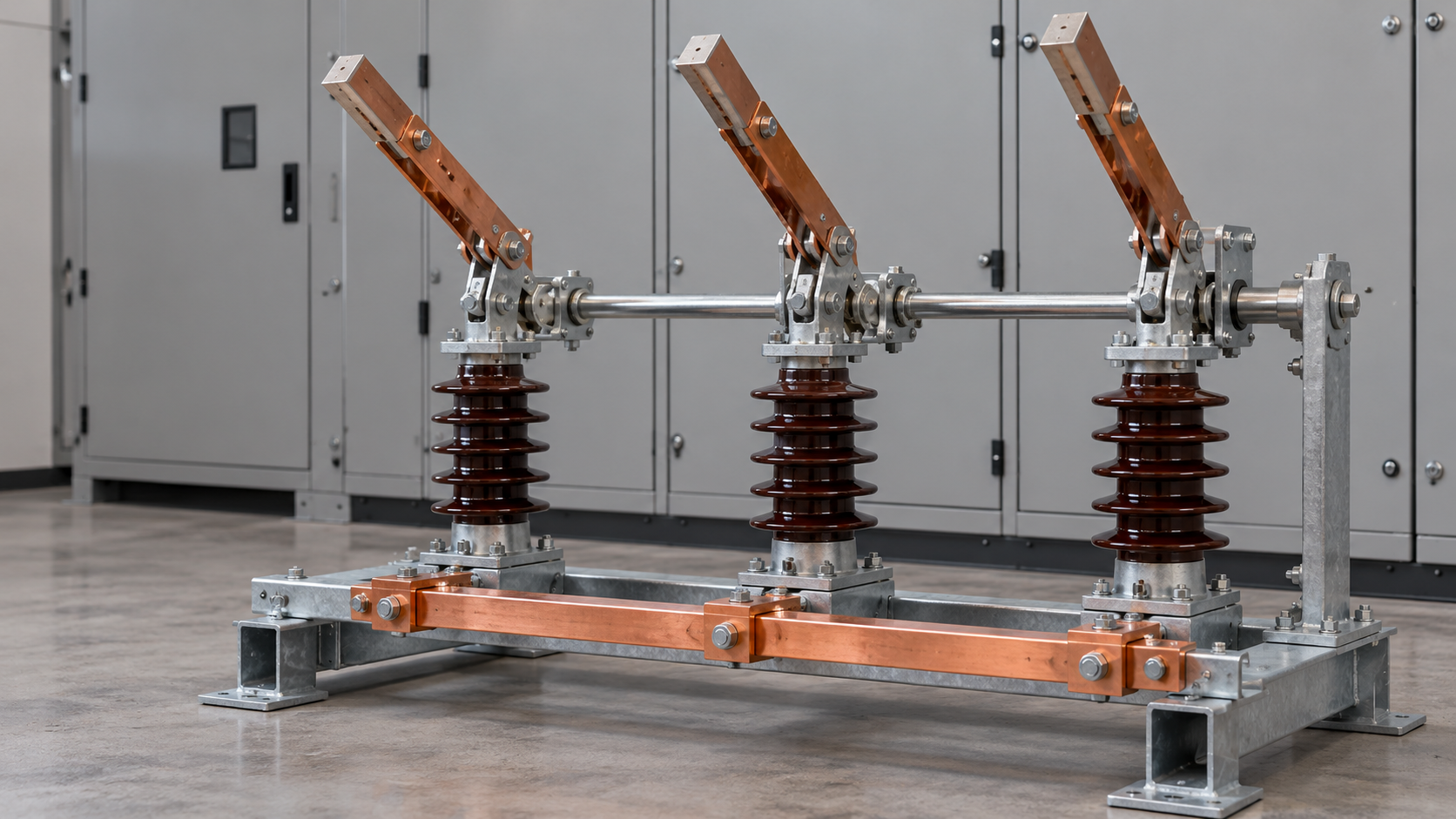
Select an earthing switch for the exact switchgear voltage and insulation arrangement, required short-time withstand current and duration, and any specified short-circuit making duty. Then confirm the earthing path, mounting and travel geometry, operating mechanism, position indication and interlocks. A making-capable earthing switch is not a circuit breaker and does not authorize intentional switching of an energized circuit.
For a panel builder or distributor, an earthing-switch inquiry is an interface problem as much as a component selection. A device may have suitable stated ratings but still fail to match the cabinet mechanism or grounding path. This guide supports procurement and design review. Actual isolation, proving-dead and earthing work belongs to approved site procedures and qualified personnel; no switching sequence is provided here.
1. Keep making, withstand and breaking duties distinct
Short-time withstand current describes carrying a specified fault current for a stated duration; the duration belongs with the current value. Short-circuit making capability addresses a different event and is normally expressed with a peak duty. Neither should be read as a general load-breaking capacity. Use the exact manufacturer data and the applicable IEC 62271-102 edition, including amendments required by the project, rather than assuming that every device in a family has the same capabilities.
2. Issue a combined rating and interface schedule
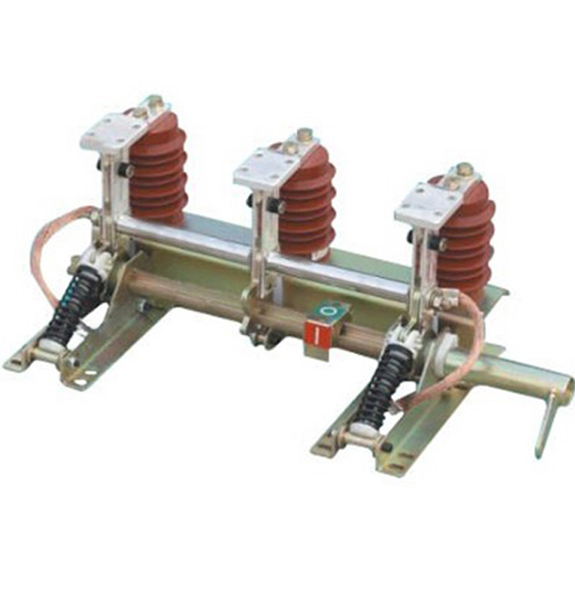
A useful offer identifies the exact device, operating mechanism and mounting arrangement. If a generic page lists differing headline values, request the selected variant’s current data sheet and matching evidence instead of choosing the larger number. The complete fault-current path includes more than the moving blades: connections, grounding conductors and the cabinet earthing arrangement must be coordinated by the assembly designer.
| Review item | Buyer requirement | Supplier confirmation |
|---|---|---|
| Voltage and insulation | Equipment voltage and installation conditions | Exact variant and insulation arrangement |
| Short-time withstand | Required current together with its duration | Matched current/time evidence |
| Making duty | Whether required and the specified peak duty | Applicable making capability and class |
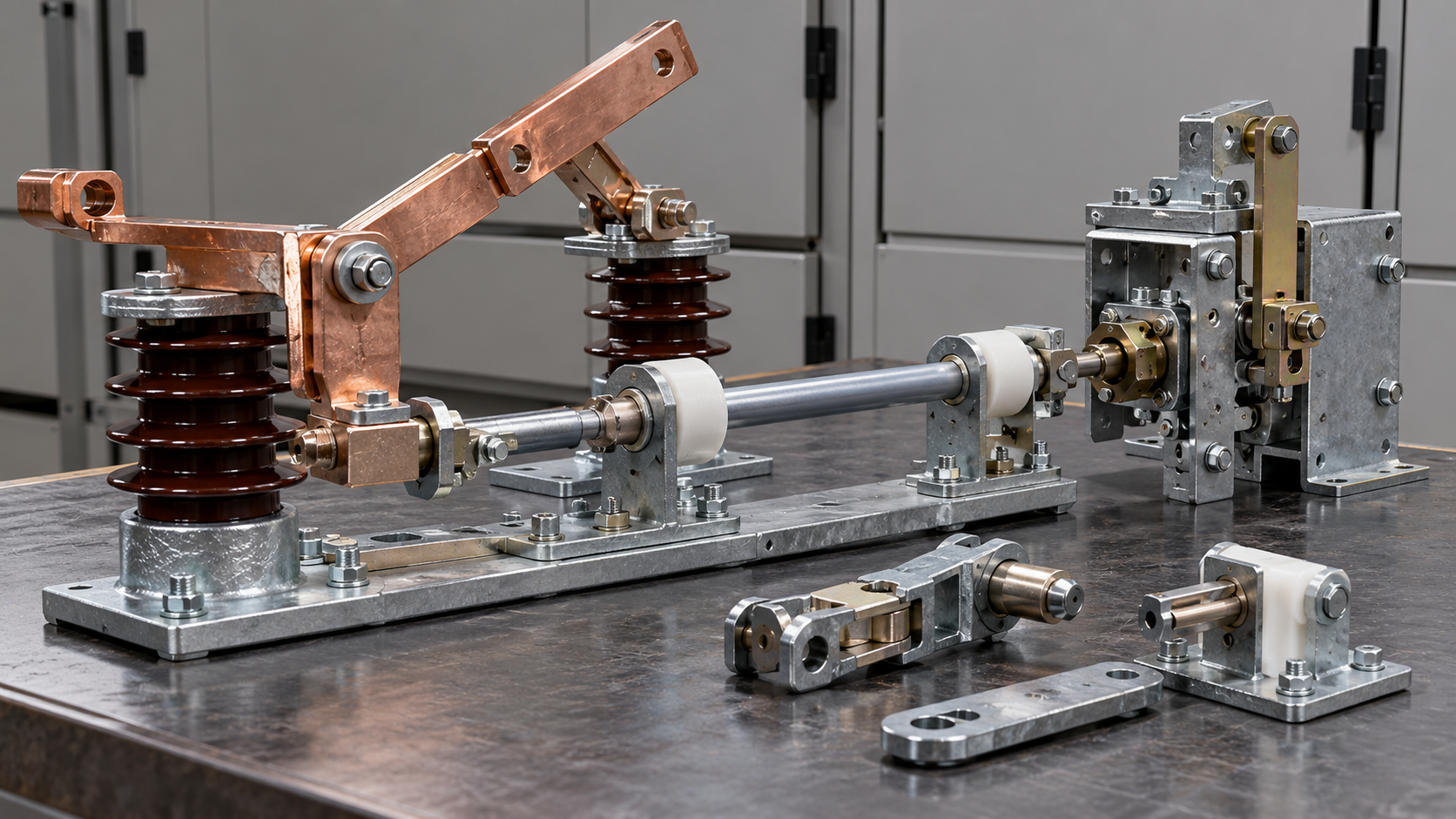
| Physical fit | Pole spacing, mounting, shaft and travel envelope | Controlled assembly and mechanism drawings |
| Logic and indication | Interlock functions and position feedback requirements | Approved matrix and configuration test plan |
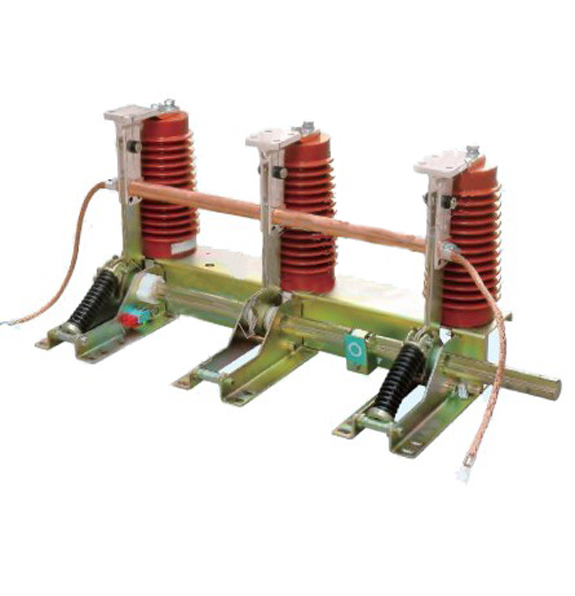
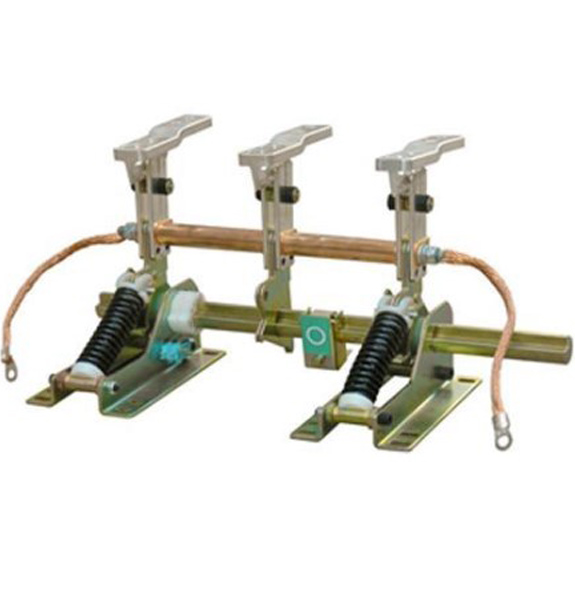
Example manufacturer data structure, not equivalence evidence
3. Review interlocks as an assembly function
Ask the designer to identify the intended mutual exclusions between the breaker, disconnector or truck, earthing switch and compartment access. Mechanical and electrical interlocks have different dependencies. A key-transfer arrangement, auxiliary supply or position contact may be essential to the proposed logic and must not disappear as an unstated option. Siemens and Schneider Electric describe interlocks for specific switchgear arrangements; those examples are not a universal diagram for another cabinet.
Component acceptance
- 1Exact variant and ratings
- 2Mounting and mechanism geometry
- 3Device evidence
Assembly acceptance
- 1Complete grounding path
- 2Interlock dependencies and access logic
- 3Configuration-specific verification
Switchgear-specific interlock context · Cable-earthing interlock documentation
4. Do not confuse position feedback with proof of isolation
Specify what the position indication represents, how it relates to the main contacts and which signals the control system receives. A visible indicator or an auxiliary contact is not, by itself, proof that the intended circuit is de-energized. Include the full source arrangement in the engineering review, especially where generation, transformers or multiple supplies may create additional paths. Obtain the approved manufacturer documents and site acceptance criteria rather than inventing an operating sequence from a product photograph.
5. Make the interface review a pre-order gate
Ask for a combined device-and-cabinet drawing set, an interlock matrix, wiring details and the relevant verification references. Have the assembly designer close open points before procurement approval. ABB’s September 2026 design-for-maintenance article reinforces the relevance of access and task constraints. Apply that lesson by requesting inspectable, configuration-specific evidence rather than assuming that a familiar earthing-switch model automatically creates a suitable cabinet design.
- 01Define the circuit and all sources
- 02Separate the required duties
- 03Match geometry and grounding path
- 04Approve the interlock matrix
- 05Verify the exact assembly

Frequently asked questions
Is short-circuit making capacity a breaking rating?+
No. Making and breaking are different duties. Do not treat an earthing-switch making claim as permission to interrupt load or fault current. Specify and verify the exact required duty.
Can equal voltage and kA values prove interchangeability?+
No. Compare duration, making requirements, insulation, pole spacing, shaft arrangement, mechanism and interlocks. Compatibility needs documentation for the exact switchgear and device variant.
Does a closed-position contact prove absence of voltage?+
No. Position feedback and proving absence of voltage are different functions. The approved manufacturer and site procedures define the relevant checks and responsibilities.
What should I provide for an earthing-switch RFQ?+
Send the panel identity, required duties, current/time values, relevant drawings and existing interlock logic. Identify whether the purchase is a component, a complete mechanism or an assembly-engineered replacement.
Sources and further reading
Source scope and publication dates matter. Check the specified edition and the requirements applicable to your project.
- IEC 62271-102: disconnectors and earthing switches
- ABB: EK6 grounding-switch manufacturer information
- Siemens: 8DJH 24 switchgear technical catalog
- Schneider Electric: cable-earthing switch interlocks
- ABB: design decisions and long-term maintenance access
Sources checked:
Related equipment
Compare the relevant product models
Turn the specification into a clear inquiry
Send the cabinet drawings, required current/time duties and interlock matrix to discuss the appropriate catalog earthing-switch variant and its verification needs.