
Technical buyer guide
Switchgear RFQ Technical Schedule: Inputs for Comparable Offers
Build a switchgear RFQ around an SLD, rating schedule, interface register and evidence list. Use the editable comparison logic to expose exclusions before technical approval.

TL;DR
The short answer
A useful switchgear RFQ states the network duty, every feeder, required ratings with their units and duration, installation conditions, interfaces, and configuration-specific evidence. Issue one revision-controlled technical schedule to every bidder. Require an offered value, document reference and explicit deviation against each requirement; a checked box marked compliant is not enough.
EPC procurement teams often receive prices that look comparable while the underlying scope differs. One offer may include protection relays and cable termination kits; another may cover an empty arrangement with those items excluded. The purchasing problem is not solved by adding more descriptive adjectives to the RFQ. It is solved by making every boundary and acceptance condition answerable.
1. Freeze the documents that define the inquiry
Start with a dated SLD, feeder list, destination, quantity, site layout and a named revision owner. Distinguish normal operating voltage from equipment rated voltage, and fault current from its required withstand duration. Record unknown values as open engineering items with an owner and decision date. Do not turn an unconfirmed fault study into an assumed cabinet rating simply to complete a spreadsheet.
2. Use a requirements-to-evidence schedule
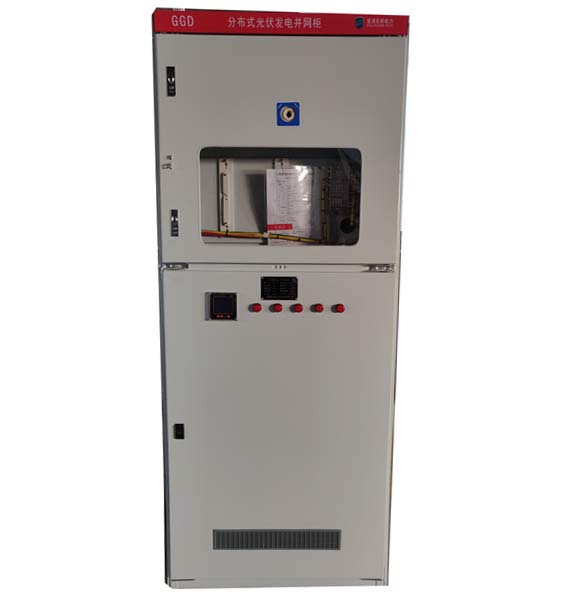
The rows below are inquiry fields, not recommended numerical ratings. Add the applicable assembly standard and edition; do not treat the standard for an individual breaker as verification of the whole switchboard. IEC 61439-1 establishes general rules for LV assemblies in conjunction with the relevant product part. For an MV inquiry, state the applicable assembly and switching-device documents separately.
| Requirement | Buyer input | Supplier response and evidence |
|---|---|---|
| Network and feeders | SLD revision, incomers, bus sections, outgoing duties | Marked arrangement and itemized feeder list |
| Electrical duty | Voltage, frequency, current, fault level and duration | Offered ratings and matching verification references |
| Site conditions | Indoor/outdoor, temperature, altitude, dust and moisture | Limits, derating assumptions and enclosure proposal |
| Interfaces | Cable entry, bus duct, control power and communications | Terminal drawings, dimensions and responsibility list |
| Acceptance | Drawing approval, routine tests, witness points and records | Document index, test plan and explicit exclusions |
3. Compare deviations before comparing totals
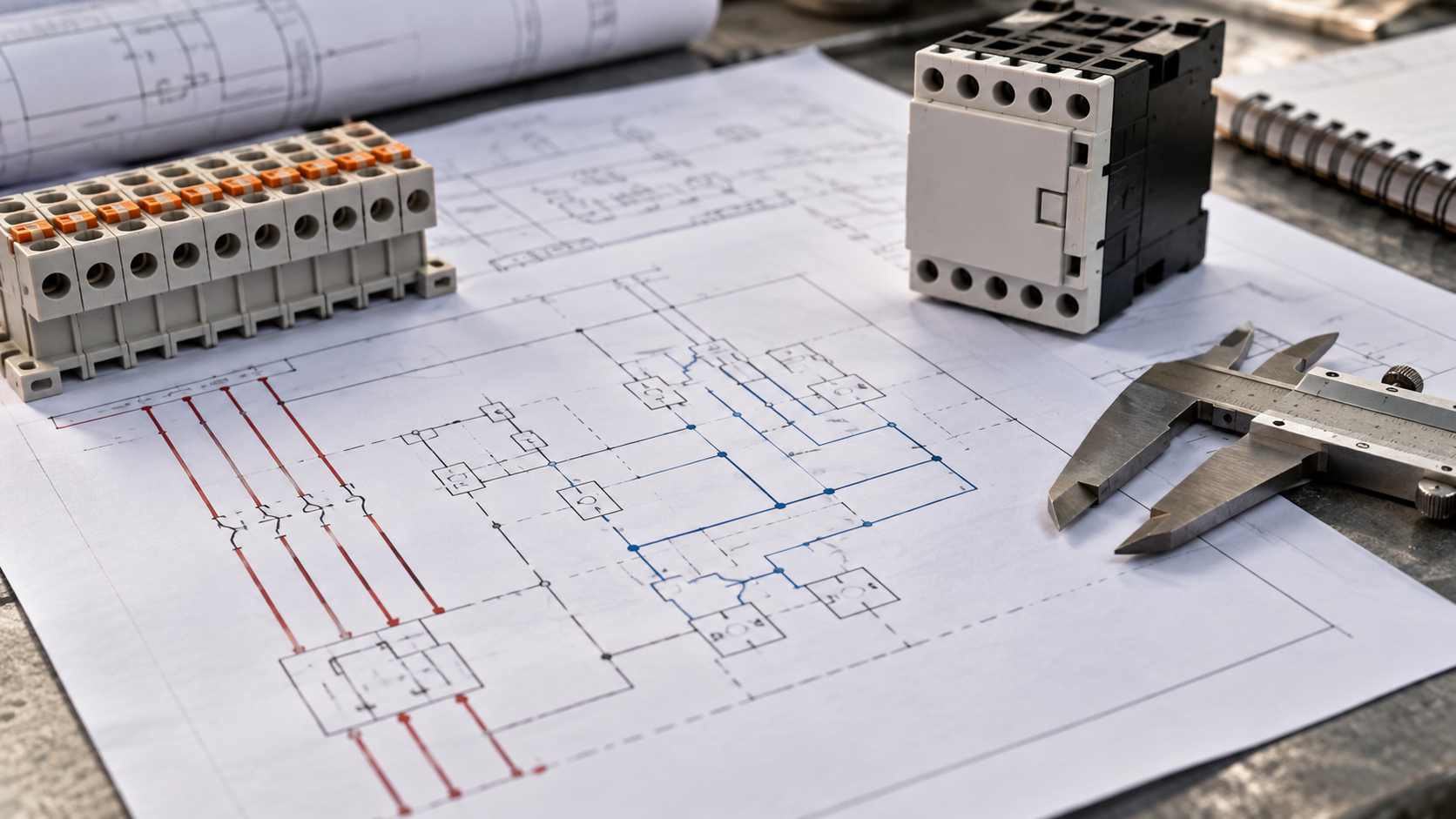
Use three response states: offered as specified, offered with a stated deviation, or excluded. A blank cell is an unanswered requirement, not acceptance. If a supplier changes the protection arrangement, ask which drawings, coordination assumptions and tests must change with it. Keep optional equipment in a separate column so a lower base price does not hide a later change order.
Price-only request
- 1Family name and quantity
- 2Unstated exclusions
- 3Different technical assumptions
Evidence-led request
- 1One controlled requirement schedule
- 2Offered values linked to documents
- 3Explicit deviations and responsibilities
4. Close physical and digital interfaces together
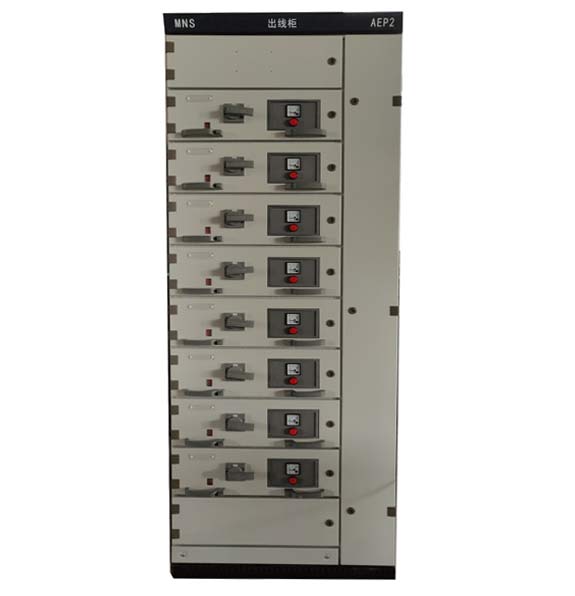
A cabinet can meet a rating schedule yet fail to fit the cable bend space or control supply. Assign responsibility for cable terminations, neutral and earth connections, secondary wiring, relay configuration and communications testing. Schneider Electric announced a software-defined MV architecture on 28 September 2026. For procurement, this reinforces a practical question: which party owns the hardware, settings, software interfaces and acceptance records? It does not establish that the same capability exists in the offered ELCZEEN configuration.
5. Define the approval gates before placing the order
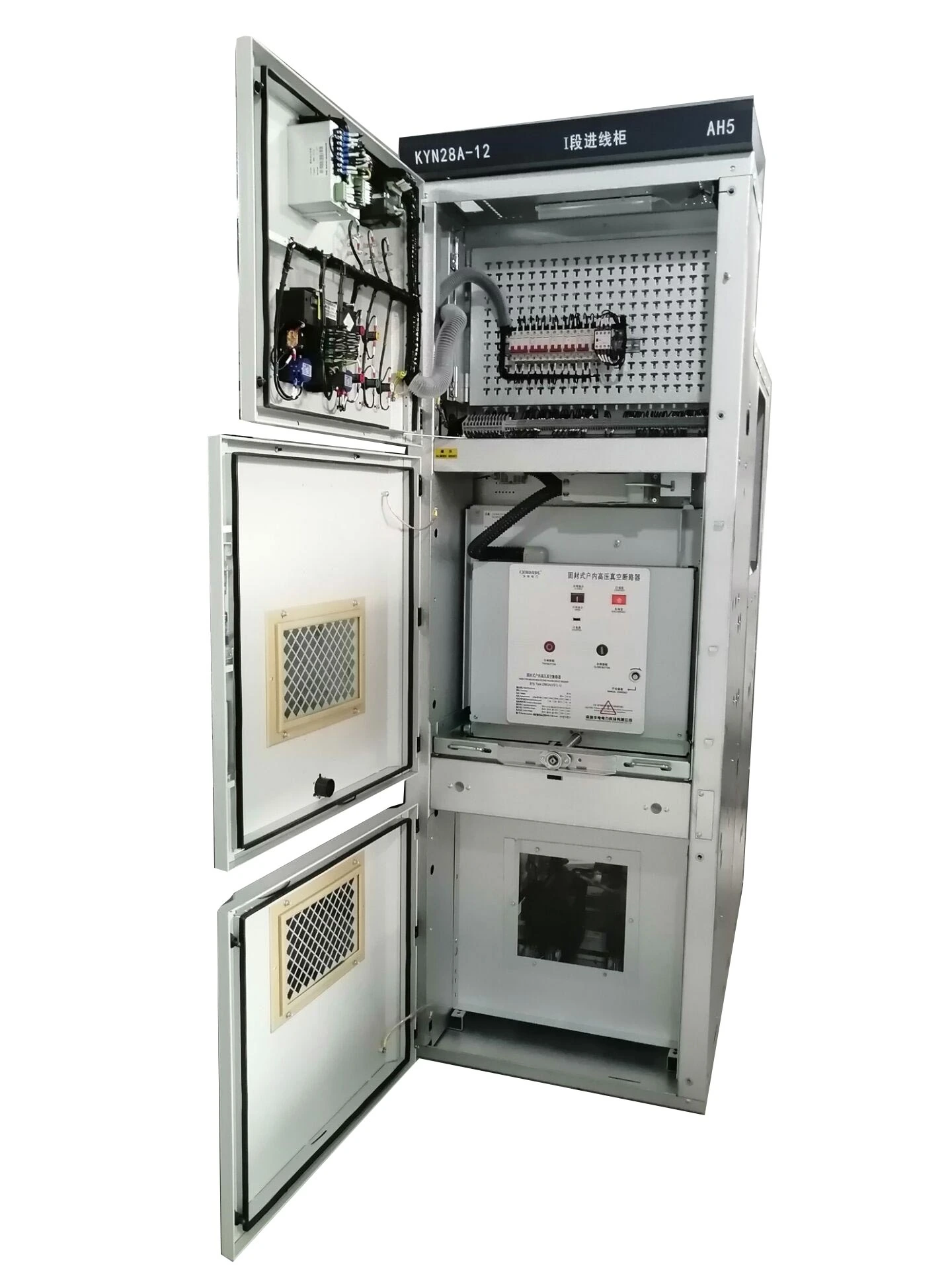
After technical clarification, issue a reconciled schedule with the selected offer, approved deviations and remaining hold points. Agree when drawings become frozen, which changes need buyer approval and which test records accompany shipment. Use the same document identifiers at inspection and handover. This preserves the link between what was requested, what was built and what the site team receives.
- 01Freeze project inputs
- 02Issue one schedule
- 03Resolve deviations
- 04Approve configuration and test plan
- 05Match records at handover

Frequently asked questions
Is an SLD enough for a switchgear RFQ?+
No. The SLD defines the electrical arrangement but usually leaves site conditions, dimensions, control interfaces, evidence and exclusions unresolved. Attach a technical schedule and record the open items.
Can I write IEC compliant without naming a part?+
That is too broad for acceptance. Identify the applicable assembly standard, relevant device standards, edition and requested verification documents. Confirm applicability to the exact configuration rather than copying a generic certificate.
How should missing fault data be handled?+
Keep it as an explicit engineering hold point. Ask the responsible designer or utility for the study basis, and require the supplier to identify any provisional assumption. Resolve it before approving ratings.
What should I send to ELCZEEN first?+
Send the SLD, feeder quantities, destination, rating requirements, site layout and required document list. Mark unresolved inputs clearly so the discussion can focus on the offered model and supply boundary.
Sources and further reading
Source scope and publication dates matter. Check the specified edition and the requirements applicable to your project.
- IEC 61439-1: general rules and scope
- Schneider Electric: distribution switchboards
- ABB: MNS platform overview
- Siemens: SIVACON S8 overview
- Schneider Electric: software-defined MV announcement
Sources checked:
Related equipment
Compare the relevant product models
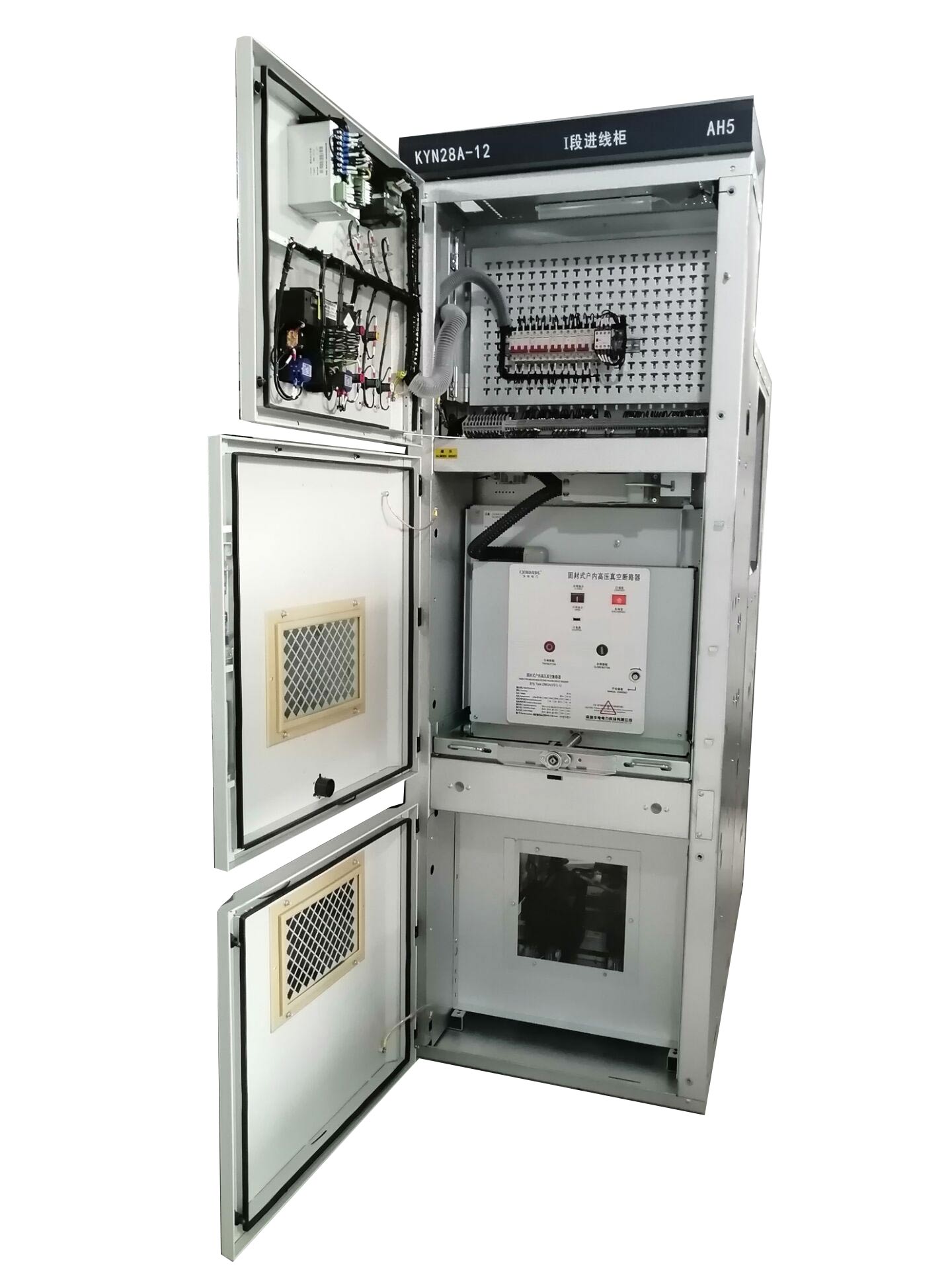
Turn the specification into a clear inquiry
Send your revision-controlled RFQ schedule and SLD to discuss the matching catalog models, missing inputs and required documents.