
Technical buyer guide
Transformer Substation Specification: Ratings, Layout and Documents
Specify a transformer substation from the load profile through thermal conditions, cable interfaces and acceptance evidence. A transformer kVA label alone cannot define the complete package.
TL;DR
The short answer
A transformer substation specification needs the load profile, voltage and frequency, transformer connection and earthing basis, fault duties, enclosure environment, cable interfaces and complete-package acceptance documents. Specify transformer capability and enclosure thermal performance together. Keep site data and future expansion assumptions explicit; do not select an entire substation by kVA and external dimensions alone.
For an EPC engineer or industrial owner, the aim is an approvable package rather than a larger nameplate. A design that appears adequate at the transformer terminals can be constrained by enclosure heat, LV buswork, cable entry or the site’s maintenance route. Use the following schedule to find the weakest boundary before quotation assumptions become fabrication decisions.
1. Define demand and the operating cases
Separate connected load, expected coincident demand, intermittent duties, motor starting, non-linear loads and planned expansion. State where the figures came from and which operating cases can occur together. Apparent power is not interchangeable with active power: the power-factor basis matters, and the familiar three-phase current relation also requires the correct voltage and system assumptions. Do not hide an arbitrary growth margin inside a kVA choice; show current demand and expansion separately.
2. Issue one package specification schedule
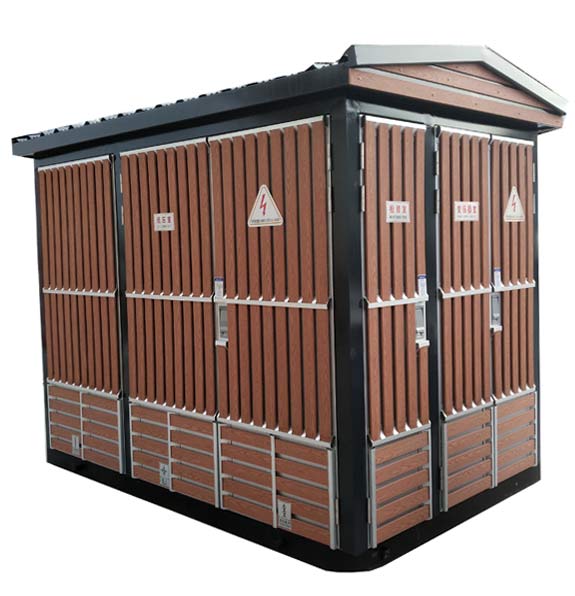
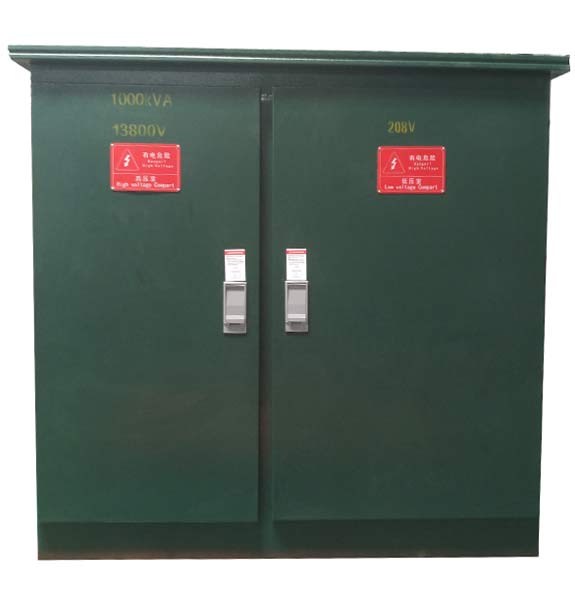
Each required value needs an offered value, a stated condition and a document reference. Where information remains unknown, keep the item open rather than inserting a catalog maximum. A maximum advertised for one variant does not show that all requested options can be combined in one enclosure. Require the supplier to identify conditional ratings, excluded combinations and any site-dependent limits.
| Input group | Specify before approval | Request in the offer |
|---|---|---|
| Load and growth | Demand cases, power factor, starts and expansion | Stated sizing assumptions and limiting conditions |
| Network | Voltage, frequency, earthing and fault-study basis | Transformer connection and protection coordination basis |
| Thermal environment | Ambient profile, solar exposure and ventilation limits | Complete-enclosure thermal basis and limits |
| Mechanical envelope | Access, transport, foundation and replacement route | Approved outline, weights and interface drawings |
| Electrical interfaces | Cable types, entry direction, terminals and auxiliary power | Cable and earth connection schedule |
| Acceptance package | Applicable standards, review gates and witness points | Evidence index, routine-test records and handover list |
3. Treat the enclosure as part of the thermal system
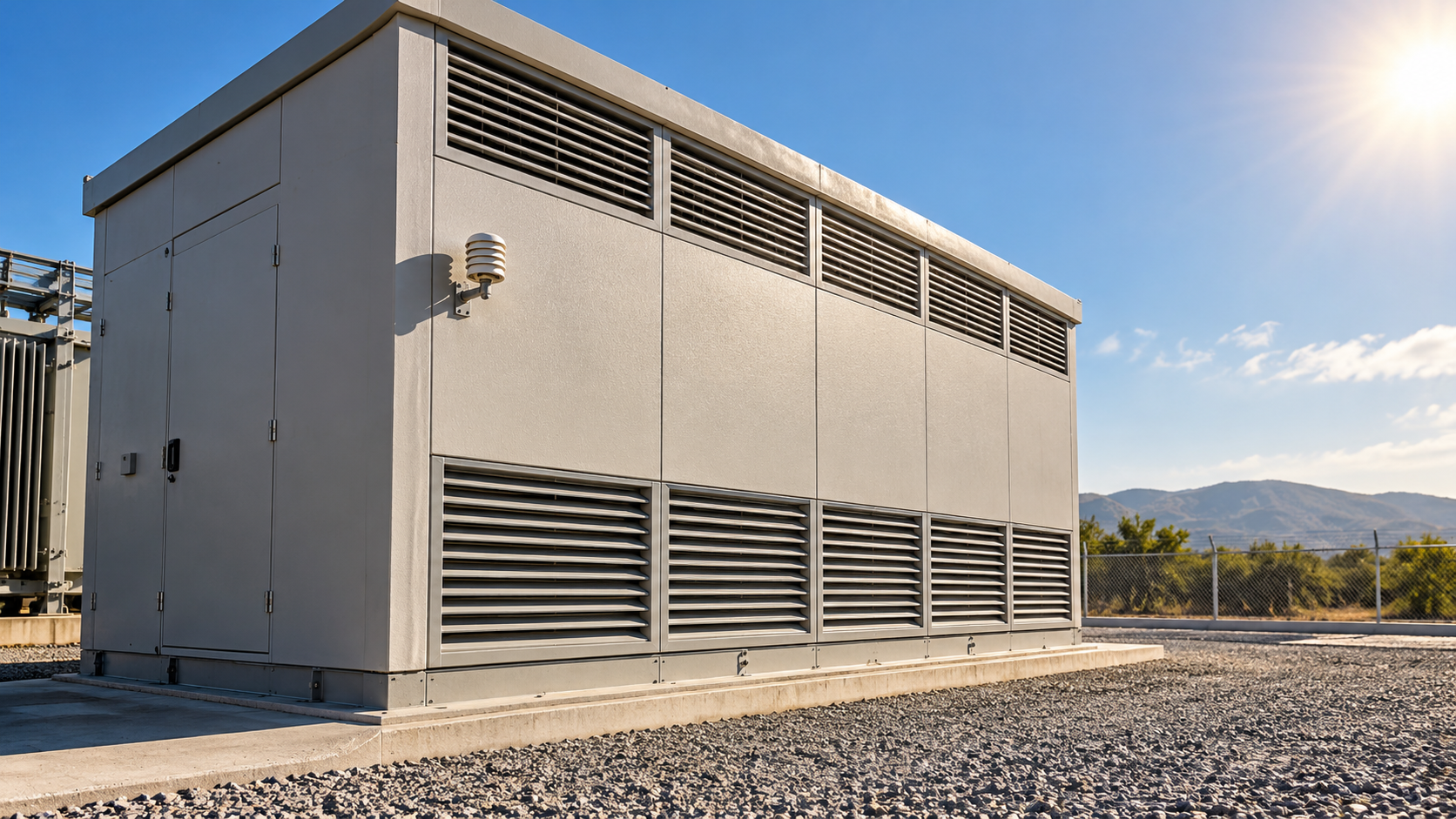
A transformer rating measured under stated conditions cannot simply be transferred to a different enclosure environment. The proposed package must account for heat from its components and the actual paths for air entry and exit. Nearby walls, sun, dirty filters or blocked louvers can change the installation assumptions. Ask whether the offered performance relies on natural or forced ventilation, and who provides and maintains any fans, heaters or alarms.
IEC 62271-202 addresses the enclosed substation as a defined product category; transformer documents and enclosure documents answer different questions. Schneider Electric’s ventilation guide is useful background for the engineering discussion, not a substitute for the supplier’s configuration-specific thermal assessment. Keep any cooling dependency visible in the offer and in the operating documentation.
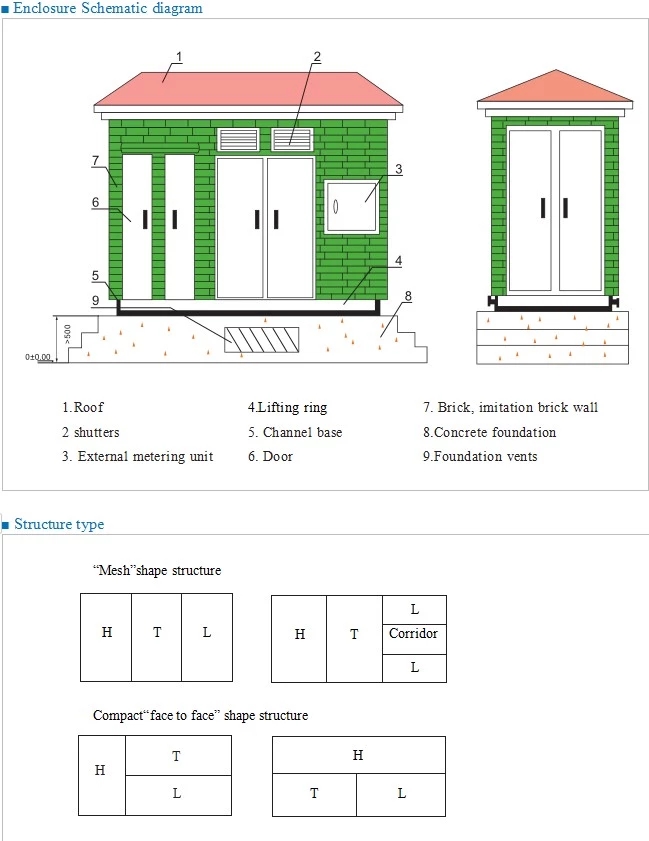
Enclosed prefabricated substation scope · Ventilation engineering background
4. Separate component capability from package acceptance
Ask the supplier to identify the enclosure variant, transformer, MV equipment, LV arrangement and internal connections covered by each document. A change to a cable termination, enclosure ventilation or transformer option can require review even when the family name remains unchanged. ABB’s integrated-solution descriptions distinguish enclosed and semi-open packages. Do not merge those evidence boundaries because the products serve similar loads.
Transformer evidence
- 1Connection and rated duty
- 2Losses and accessories
- 3Transformer test records
Package evidence
- 1Enclosure and thermal arrangement
- 2Internal and external interfaces
- 3Integrated acceptance scope
5. Plan transport, inspection and handover together
Agree what is assembled and tested before shipment, what is separated for transport and what must be rechecked after site assembly. The September 2026 Eaton enclosure announcement illustrates interest in packaged infrastructure; it does not remove these project-specific interface tasks. Request an inspection plan, itemized document list, spare-parts scope and a clear owner for each outstanding site input. This is a more useful approval basis than an unqualified turnkey label.
- 01Define load cases
- 02Confirm site and thermal inputs
- 03Freeze package interfaces
- 04Approve matched documents
- 05Inspect and reconcile handover

Frequently asked questions
Is transformer kVA the substation capacity?+
Not by itself. The usable package depends on transformer conditions, enclosure heat, switchgear, connections and the specified operating cases. Ask for the limiting conditions of the complete arrangement.
Should future expansion be hidden in a safety margin?+
No. Record current demand, planned additions and the assumptions for each case separately. Then check the transformer, enclosure, buswork and cable interfaces against the approved future case.
Are ventilation dimensions universal?+
No. They depend on losses, enclosure construction, ambient conditions and the airflow path. Use a configuration-specific assessment rather than copying an opening from a photograph or another project.
Which documents should be ready before fabrication approval?+
Agree the SLD, data sheets, general arrangement, civil and cable interfaces, evidence index and inspection plan. Record remaining hold points with owners and approval conditions.
Sources and further reading
Source scope and publication dates matter. Check the specified edition and the requirements applicable to your project.
- IEC 62271-202: prefabricated substation scope
- IEC 60076-1: power transformer general scope
- Schneider Electric: ventilation in MV substations
- Eaton: transformer arrangement fundamentals
- ABB: integrated secondary solution architectures
- Eaton: modular electrical enclosure manufacturing announcement
Sources checked:
Related equipment
Compare the relevant product models
Turn the specification into a clear inquiry
Send the load cases, SLD and site layout to discuss a substation data schedule with explicit thermal, cable and acceptance boundaries.