
Technical buyer guide
GGD vs MNS Switchgear: Fixed and Withdrawable Selection Inputs
Compare GGD and MNS by feeder construction, outage boundaries, usable space and verification documents. Avoid treating a model label as proof of interchangeability or uninterrupted maintenance.

TL;DR
The short answer
GGD commonly identifies a fixed-panel LV family, while an MNS-designated offer often uses modular functional units. Choose by the exact offered arrangement: connection method, isolation boundary, segregation, feeder duty, access and verification. Withdrawability may make replacement more convenient, but it does not by itself prove safe live work, zero downtime or compatibility with another manufacturer’s drawers.
For a panel builder or industrial owner, the useful comparison starts with an outage scenario: which load needs attention, which other loads must stay available, and what the site rules permit. A cabinet price or a drawer count cannot answer those questions. Treat fixed and withdrawable arrangements as design choices that must be checked against the same project requirements.
1. Read the connection design, not just the cabinet name
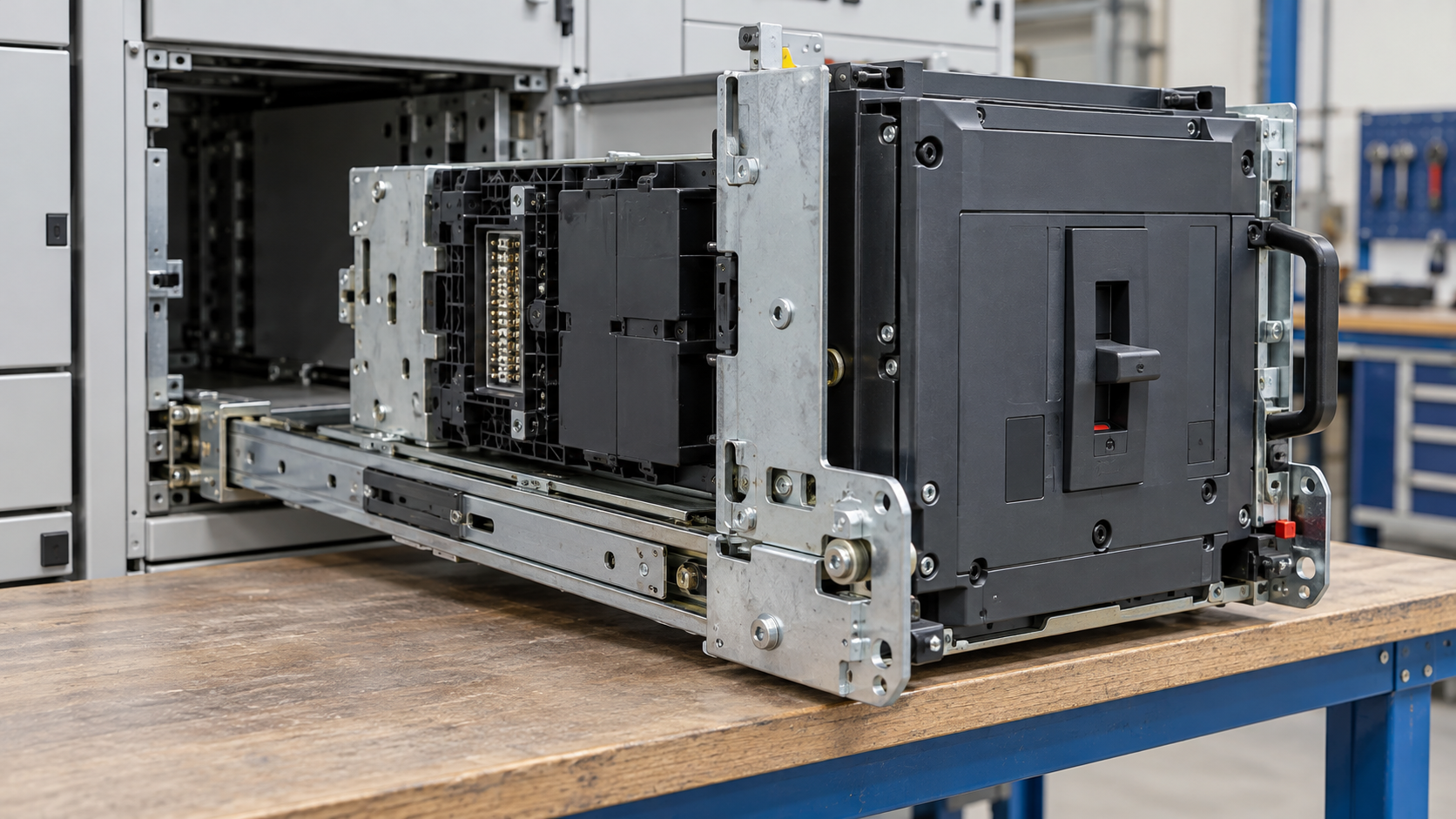
Ask how the incoming power, outgoing power and auxiliary circuits connect to each functional unit. A unit with a withdrawable power connection can still have a different auxiliary connection arrangement. Schneider Electric’s withdrawability explanation and Siemens’ SIVACON documentation distinguish connection technologies rather than using one blanket drawer description. Use the supplier’s section drawings to locate every interface that is relevant to the intended maintenance task.
ABB’s MNS platform includes several unit technologies. An MNS label in a separate catalog therefore does not establish an ABB system, a license relationship or drawer interchangeability. Request the actual manufacturer, design identification, drawings and evidence for the supplied assembly. The same caution applies to generic claims that every GGD arrangement has one identical maintenance boundary.
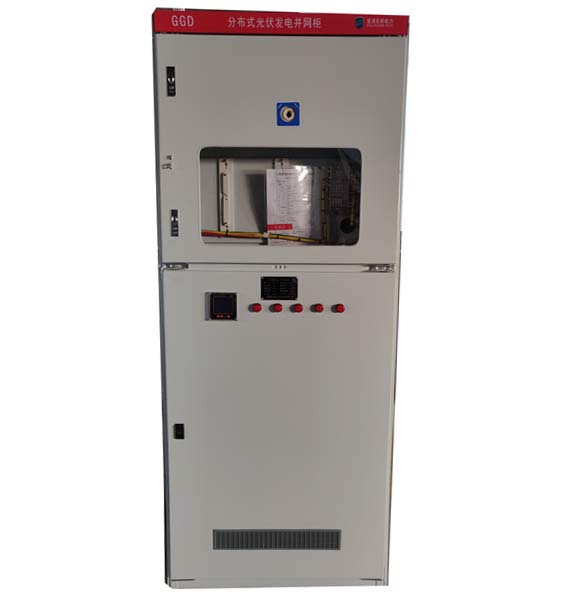
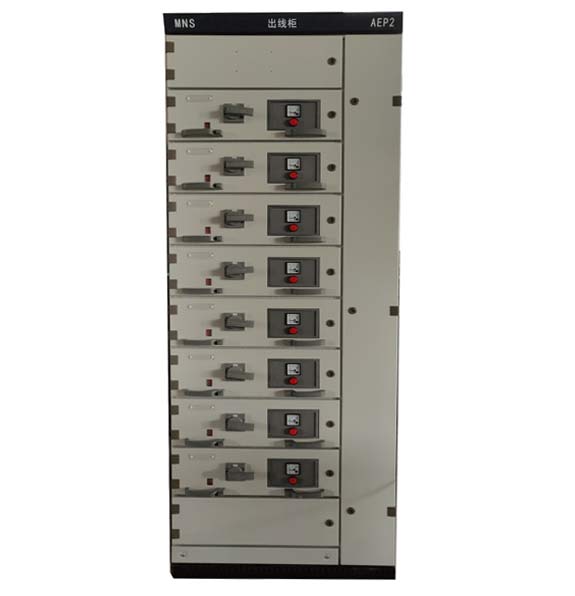
Connection technology definitions · Check the actual platform variant
2. Compare the decisions that change the project
Use this table to request a written arrangement-specific reply. It does not rank all fixed assemblies below all withdrawable assemblies. A simple fixed solution may be entirely suitable when planned outages are acceptable; a modular solution may be useful when repeated unit replacement and standardized spares are genuine requirements. Neither choice removes the need for protection coordination and assembly verification.
| Decision | Fixed-panel offer | Modular/withdrawable offer |
|---|---|---|
| Outage boundary | Identify all circuits affected by the planned task | Show isolation and segregation of the exact unit |
| Working space | Check door swing, cable access and tool clearance | Add withdrawal, trolley turning and spare storage space |
| Connections | Locate fixed power and control terminals | Identify each power and auxiliary disconnection method |
| Spares | Agree component references and replacement access | Verify complete spare-unit compatibility and coding |
| Verification | Match evidence to the offered assembly | Match evidence to the offered unit combinations |
3. Keep segregation, arc claims and availability separate
Internal separation describes a construction arrangement; it is not a blanket permission for energized access. Likewise, an arc-related claim must identify the tested arrangement, current, duration and relevant conditions. Review the applicable documents with the project designer. Do not infer the assembly short-circuit capability from the breaking capacity printed on one device, or infer continued supply from the presence of drawers alone.
Planned-shutdown priority
- 1Simple, documented circuit boundaries
- 2Accessible fixed terminals
- 3Agreed outage duration
Frequent-unit-replacement priority
- 1Verified unit isolation
- 2Compatible spare and handling tools
- 3Site-approved work method
4. Cost the usable space and the spare strategy
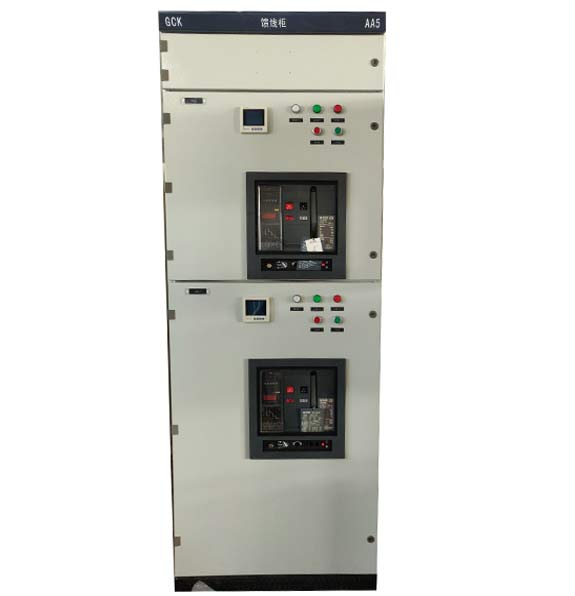
A compact cabinet dimension can be misleading when the project has no room for extraction, turning or safe storage. Request a layout showing service clearances and removal paths, then test it against the real room and transport route. ABB’s September 2026 maintenance-design article highlights the importance of access. The buyer’s next step is to ask for a task-specific drawing, not to assume an outage benefit from a marketing label. Include spare-unit quantity, storage conditions, documentation and training scope in the comparison.

5. Turn the choice into an approvable RFQ
State the load types, feeder quantities, fault study basis and expected future changes. Ask each supplier for a unit schedule, outline drawing, connection diagram, proposed isolation boundaries and a configuration-matched evidence index. List any unresolved item as a technical hold point. This makes the final choice traceable to the plant’s needs and prevents a model substitution from silently changing the operating philosophy.
- 01Define load and outage scenario
- 02Map unit connections
- 03Check access and spares
- 04Review matched evidence
- 05Approve documented deviations
Frequently asked questions
Is MNS always withdrawable?+
No. The designation alone is insufficient. Ask for the exact platform variant, connection technologies and functional-unit schedule. Manufacturer documentation shows that modular platforms can include different unit types.
Does withdrawability guarantee uninterrupted maintenance?+
No. The permitted work depends on the exact isolation and segregation arrangement, task, site procedure and risk assessment. This guide is a procurement checklist, not permission or instructions for energized work.
Can spare drawers be shared between manufacturers?+
Only when the relevant manufacturers confirm the exact mechanical, electrical, control and interlock compatibility with supporting documentation. Similar dimensions or family names are not enough.
Which drawings should accompany a GGD/MNS inquiry?+
Send the SLD, feeder list and room layout. Request an offered unit schedule, connection diagrams, access clearances and evidence tied to the exact construction. Identify unresolved fault-duty and maintenance assumptions.
Sources and further reading
Source scope and publication dates matter. Check the specified edition and the requirements applicable to your project.
- IEC 61439-1: general rules and scope
- ABB: MNS platform overview
- Schneider Electric: withdrawability and circuit connections
- Siemens: SIVACON S8 overview
- ABB: design decisions and long-term maintenance access
Sources checked:
Related equipment
Compare the relevant product models
Turn the specification into a clear inquiry
Send the feeder schedule, room layout and planned outage scenario to discuss an arrangement-specific GGD or MNS offer.